
Insurance for all: Time to bring the villages under financial safety nets
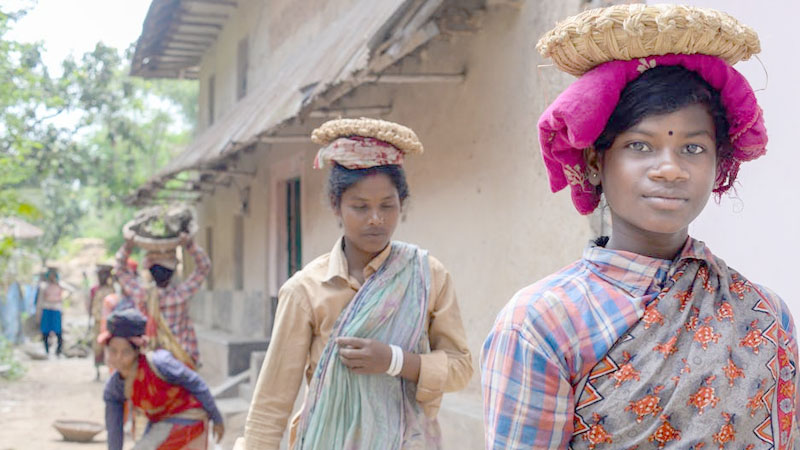
Raj Kiron Das: Bangladesh’s rural landscape has undergone a reflective economic transformation over the past few decades. Once defined by sustenance agriculture and limited access to financial tools, today’s villages are vibrant centers of economic activity. Rising agricultural productivity, the emergence of small and medium enterprises, remittance inflows and mounting rural infrastructure have meaningfully enhanced household income and resilience. This evolution has made a fruitful ground for a fresh era of rural insurance- one that can redefine economic inclusion and social protection in Bangladesh.
Yet, despite this progress, insurance penetration in rural areas remains alarmingly low. Many farmers, labourers and rural entrepreneurs continue to face economic vulnerability in the absence of effective risk management mechanisms. Their livelihood is exposed to shock caused by natural disasters, crop losses, health emergencies and income disruption. The gap between economic growth and financial safeguard emphasises the urgent need for a wide-ranging expansion of rural insurance.
For the insurance industry, this is not merely an opportunity- it is a strategic requirement. The future of sustainable growth in the sector lies in simplifying, humanising and localising insurance services. Policies must be designed to reflect the reality of rural life: seasonal income cycle, low literacy level and cultural attitude toward savings and risk. Clear, jargon-free policy documents and flexible premium payment options may build the trust that has long eluded insurers in rural Bangladesh.
Digitalisation may play a transformative role. With over 100 million mobile phone users and rapidly expanding mobile banking networks, insurers have an unprecedented platform to reach rural populations. Digital claim processing, mobile-based enrollment and automated premium collection can drastically cut administrative cost while enhancing transparency and answerability. Collaboration with mobile financial service providers, NGOs, cooperatives and local agents may bridge the accessibility gap and foster community-level engagement.
However, the expansion of rural insurance will falter without financial literacy and behavioural change. Awareness campaigns led by Union Parishads, NGOs and local media may reveal insurance and position it as a necessity rather than an optional expense. Empowering rural citizens to see insurance as a safety net against uncertainty- rather than as an economic burden- is central to long-term adoption.
Policy support from the government is equally crucial. A clear rural insurance strategy that includes tax incentive, regulatory flexibility and subsidy for micro-insurance and agricultural insurance could accelerate market development. Public-private partnership and pilot programmes targeting farmers, small traders and migrant families may assist identify sustainable models adaptable across regions.
Economists argue that if the insurance industry and policymakers work together, the rural insurance market could emerge as one of Bangladesh’s most dynamic growth engines- driving both economic resilience and inclusive prosperity. It would reduce rural poverty, protect livelihood and make a culture of financial security across generations.




.jpeg)