
Best insurance prospecting strategies for building trust in 2025
Raj Kiron Das: As competition rises and customers’ expectations shift, the insurance industry is witnessing a renewed focus on human connection, credibility and strategic communication. Market analysts observe that while digital tools, automation and analytics continue to transform the landscape, the core factor of sustainable growth remains the capability to make meaningful relationships and make evident actual value to clients.
In the sector, experienced brokers and sales leaders agree that insurance is fundamentally a trust-based business. Customers not often make decisions merely on technical details; they rely seriously on their emotional comfort with the advisor sitting across from them. In an era where information is widely accessible and comparisons are a click away, the professional who gets confidence through authentic engagement is the one who stays ahead. Many industry experts say that regular communication, honest conversation and personalised follow-up now define the strongest prospecting channel.
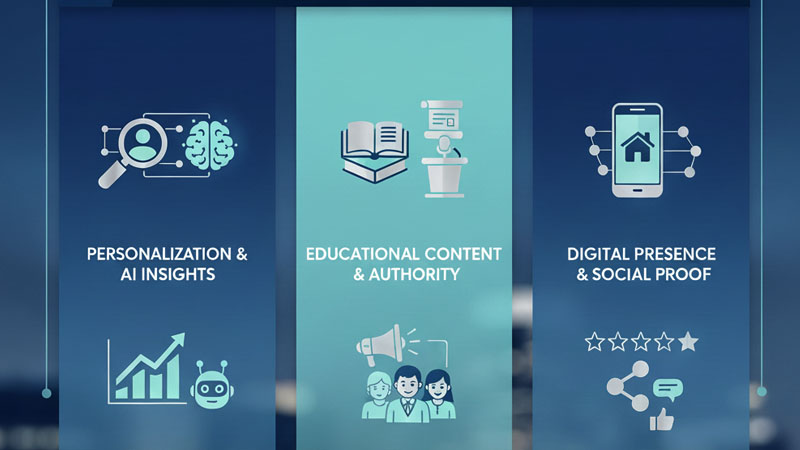
There is also growing recognition that product clarity has become a competitive differentiator. Insurance, often perceived as complicated or overwhelming, must be simplified before it can be sold with effectiveness. Advisors who transform complex coverage features into relatable everyday benefits are gaining clear visibility in crowded markets. According to the analysts when brokers position themselves as educators rather than salespeople, clients feel empowered- not pressured- and are far more likely to commit. This shift toward consultative selling is reshaping how professionals present value and structure their conversation.
The demand for trustworthy recommendation has simultaneously raised the significance of referral networks. A satisfied policyholder’s authorisation remains one of the most credible forms of marketing, particularly as consumers increasingly rely on peer validation in financial decisions. Industry observers highlight that well-designed referral systems and partnership with complementary professionals- like real-estate agents and financial planners- assist brokers tap into a new circle of potential clients. Many describe referral not only as supplementary tools but as strategic assets in long-term business growth.
As customers’ awareness expands, so does the frequency of objection. Questions regarding the cost, coverage adequacy or necessity are becoming more common, especially among youth buyers who research extensively before making economic commitment. Successful brokers are responding by preparing thoughtful, transparent explanations that address concerns before they escalate. According to sales trainers, a confident and well-informed response to objection may transform reluctance into trust, turning difficult moments into opportunities to demonstrate expertise.
The digital arena is also reshaping how insurance professionals establish credibility. Social media, once considered a secondary communication channel, has become a core platform for brand building and prospect engagement. LinkedIn now serves as a hub for educational content, client testimonials and professional insights that position brokers as industry authorities concerned. Meanwhile, Facebook continues to play a vital role in community-level outreach, allowing advisors to connect with targeted audiences and engage local groups in a cost-effective way. Observers say that a weak online presence may signal irrelevance, whereas a strong, consistent profile enhances visibility and long-term influence.
In the industry, the message is clear: successful prospecting needs more than generating leads. It demands a combination of empathy, professionalism and strategic consistency. Insurance advisors who focus on building trust, delivering clarity and maintaining meaningful engagement are evolving as the most resilient players in the market. They are not only selling policy; they are nurturing lifelong relationships and strengthening their brand in the process.
Analysts predict that this relationship-centric approach will continue to define the future of insurance sales. Technology may assist with data, targeting and efficiency, but it is the human touch- the understanding, patience and credibility of the broker- that ultimately determines whether a prospect becomes a client. In a field where decisions carry long-term economic significance, trust remains the most compelling factor and those who master it are the ones shaping the industry’s next chapter.




.jpeg)