Lloyd’s of London and Chubb Launch $400 Million Marine War Risk Consortium for Strait of Hormuz Shipping
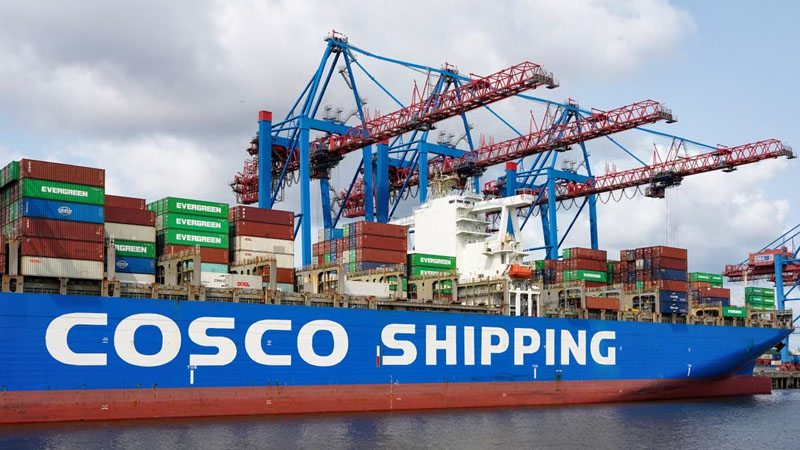
Mashrukh Khan: In a significant move to restore confidence in one of the world’s most critical maritime chokepoints, Lloyd’s of London and global insurer Chubb have unveiled a new marine war risk consortium offering up to $400 million in dedicated insurance capacity for vessels and cargo transiting the Strait of Hormuz. The facility, announced on June 19, comes as shipping operators cautiously resume operations following heightened geopolitical tensions in the region that had led to widespread policy cancellations and soaring premiums earlier this year.
Chubb will serve as the lead underwriter for the consortium, backed by participating Lloyd’s syndicates and specialist market partners. The structure provides up to $200 million in primary capacity for hull and protection and indemnity (P&I) risks, with an additional $200 million allocated specifically for cargo coverage. This targeted approach aims to address the distinct exposures faced by shipowners and cargo interests navigating the narrow strait, which handles roughly one-fifth of global oil and gas shipments under normal conditions.
The launch follows months of disruption triggered by conflicts involving Iran, during which major P&I clubs issued cancellation notices and war risk premiums skyrocketed sometimes reaching several percent of a vessel’s value for a single transit. Traffic through the strait had thinned dramatically as shipowners weighed safety concerns against commercial imperatives, leaving hundreds of vessels stranded or rerouted at considerable cost to global energy markets. By pooling expertise and capacity from Lloyd’s market participants, the new consortium seeks to bridge the resulting insurance gap and facilitate a smoother resumption of trade.
Evan Greenberg, CEO of Chubb, emphasized the insurer’s commitment to supporting clients in complex environments. “As a global leader, Chubb is actively working to provide coverage and organize needed capacity as vessels begin moving through the Strait of Hormuz,” he stated. Similarly, Patrick Tiernan, CEO of Lloyd’s, highlighted the collaborative effort: “Lloyd’s will work closely with Chubb and participating syndicates to help mobilise additional specialist capacity swiftly and responsibly in support of ships, crews and cargo moving through the Strait of Hormuz.”
Industry observers note that the consortium represents a private market response operating in parallel with other mechanisms, including potential government-backed facilities. It issues primary policies subject to standard underwriting criteria, sanctions screening, and regulatory requirements, and became available to brokers and clients starting June 19. While the additional capacity is expected to ease some pressure on rates and availability, challenges remain, including ongoing risk assessments, potential disputes over policy wordings in volatile conditions, and the need for enhanced security measures for transiting vessels.
The development underscores Lloyd’s enduring role as a hub for specialty marine risks and the broader insurance industry’s adaptability in responding to geopolitical shocks. For shipping companies and energy traders, the facility could prove instrumental in stabilizing supply chains and mitigating financial exposure amid lingering uncertainties in the Gulf. As traffic gradually increases, the success of this consortium may set a precedent for future collaborative insurance solutions in other high-risk corridors around the world.
.jpg)