US insurance claims drop to lowest level in five years
.jpg)
Int’l desk: US insurance claims volumes fell to a five-year low in 2025, as milder weather conditions reduced the frequency and severity of natural disasters across much of the country.
According to Verisk’s Annual Insurance Claims Trends Report, released in April 2026, claims activity declined across most personal and commercial property and casualty lines compared with the previous year.
Homeowners claims fell 19% year-on-year to approximately 5.3 million, the lowest level in five years, after peaking at 6.5 million in 2024. The decline was largely driven by a relatively quiet Atlantic hurricane season, which made fewer landfalls and caused less widespread damage than in recent years.
Commercial property claims also declined, dropping to around 710,000. Personal auto claims continued a multi-year downward trend, decreasing by nearly 3% in 2025 following a roughly 5% fall the previous year. Commercial auto claims recorded similarly modest reductions.
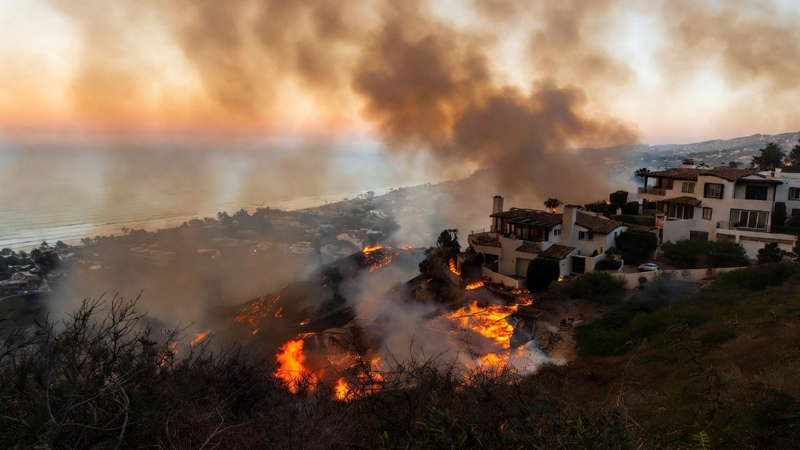
Despite the overall drop in claim volumes, insurers continued to face challenges from more complex and concentrated losses. The January Los Angeles wildfires stood out as the costliest on record, generating an estimated $28 billion in insured losses, more than double the previous record set by the 2018 Camp Fire.
Emerging risks, including evolving gig-economy driving patterns and the growing impact of wildfire-related smoke damage, have further complicated claims handling and, in some cases, extended resolution times.
‘While lower claim volumes provided some relief after several years of elevated catastrophe activity, the underlying risk environment remains highly volatile,’ Verisk analysts said in the report.
Claims data also pointed to shifting risk patterns, with certain hazards becoming more severe even as overall frequency declined. Industry observers cautioned that a single active weather year could quickly reverse the trend, highlighting the continued importance of disciplined pricing, reserving and risk modelling.
The quieter conditions of 2025 ultimately underscore the insurance sector’s ongoing exposure to unpredictable weather dynamics, even during periods of temporary stability.