Steady growth of Algerian insurance market

Mashrukh Khan: Algeria’s insurance market reached a record DZD 200.5 billion (approximately USD 1.5 billion) in gross written premiums in 2025, growing 8.8% year-on-year and crossing the psychological DZD 200 billion threshold, with non-life dominating at DZD 165.8 billion (82.7% share, up 8.9%) while life and health stood at DZD 22 billion (up 3.5%). Early 2026 data indicate continued moderate expansion around 7-9%, driven by motor third-party liability increases and vehicle registrations despite economic challenges and limited foreign participation.
Life insurance products include term, endowment, whole life, group life, credit life, and savings or retirement plans for death benefits, retirement support, and critical illness.
Non-life offerings encompass mandatory motor third-party liability (RC Auto) plus comprehensive for accidents, theft, and own damage; property and fire insurance for buildings and contents against fire, storms, floods, earthquakes, and natural disasters (with compulsory catastrophe extension); health supplements; liability; marine and aviation; engineering; personal accident; workers’ compensation; surety bonds; and emerging micro-insurance covers.
Mandatory insurances require motor third-party liability for all motorized vehicles (covering bodily injury, death, and property damage to third parties) and property insurance against natural disasters. Professional indemnity applies in specific sectors, while private health and comprehensive covers remain voluntary but see uptake through employer schemes.
Clauses follow the Insurance Code and regulations from the National Insurance Council (CNA) and relevant authorities, enforcing utmost good faith, full pre-contract disclosure of material facts, and clear policy terms. Non-disclosure or misrepresentation can reduce payouts or void coverage.
Exclusions typically cover intentional acts, war, nuclear events, gradual wear, and unendorsed perils. Policies detail risks, mitigation duties, and claim notification procedures; ambiguities generally favor the insured, with regulated timelines for claims handling.
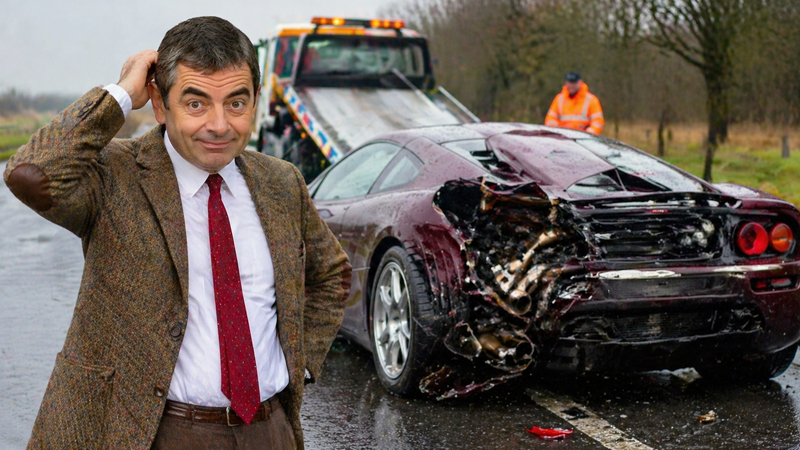
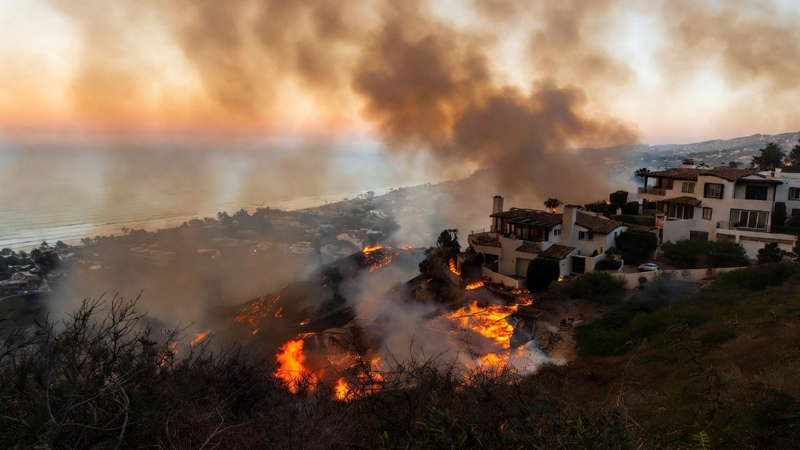
Claims predominantly arise from motor accidents (high volume due to road conditions and traffic), property damage from fires, floods, storms, and earthquakes, plus health treatments and liability events. Motor and property/casualty drive most payouts, with paid claims rising 7.9% in 2025. Denials often stem from non-disclosure, late notification, policy exclusions, fraud, or incomplete documentation.
Premiums are risk-assessed with heavy regulation on compulsory lines: motor third-party liability tariffs increased 15% in January 2025 and another 15% in July 2025 to address portfolio deficits; comprehensive and property factor vehicle or asset value, driver history, location, and peril exposure (higher in seismic or flood zones); health and life tie to age and sum assured. No-claims bonuses apply where available, though inflation and claims pressures contribute to rate adjustments.
Claim values range from the lowest minor motor repairs or small thefts under a few thousand DZD to the highest aggregates from major motor accidents, fires, floods, or property events reaching hundreds of millions or billions of DZD, constrained by policy limits and compulsory indemnity caps.
Regulated primarily through the National Insurance Council (CNA) and associated bodies, the market features mostly domestic insurers with private players holding a growing but limited share. Challenges include heavy reliance on motor (nearly half of non-life), low overall penetration, outstanding claims accumulation, and economic volatility, yet opportunities exist in under-exploited property lines, compulsory catastrophe coverage, and potential market deepening.