Insurers Start Focusing on Clean Energy Infrastructure
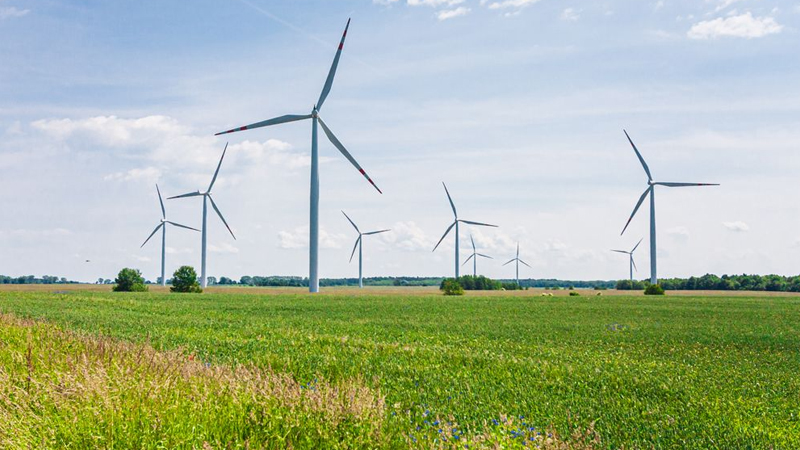
International Desk: Insurers in Southeast Asia are increasingly turning to parametric, or weather-linked, insurance solutions to support the region’s expanding clean energy sector amid intensifying climate risks and limitations in traditional coverage options. According to industry experts, capacity in conventional insurance markets has contracted noticeably over the past two to three years, leaving significant gaps even when some protection remains available. This shift comes as approximately 165 billion dollars in renewable energy assets across the region face growing exposure to climate-related hazards, prompting a search for more responsive and efficient risk management approaches.
Parametric insurance products pay out based on predefined triggers such as specific thresholds for rainfall, wind speed, or temperature, eliminating the need for lengthy physical damage assessments. This mechanism makes them particularly suitable for covering revenue losses and business interruptions in renewable energy projects, where downtime from extreme weather can have immediate financial consequences. As climate hazards become more frequent and severe, these innovative solutions are gaining traction to bridge the widening protection gap left by traditional policies.
A recent report from Zurich Insurance Group, released on 10 June, underscores the scale of the challenge. The analysis examined 1,380 existing and planned renewable energy sites across ASEAN countries, excluding Timor-Leste, and found that 75 percent of the region’s future renewable energy capacity could encounter severe climate exposure by 2030. Solar assets appear especially vulnerable in the near term, with around 80 percent of the 731 sites assessed projected to fall into the two highest risk categories over the same timeframe.
“Southeast Asia has a clear opportunity to protect the value of its clean energy transition before losses materialise,” noted Mark Fletcher, head of Zurich Resilience Solutions for the Asia-Pacific region at Zurich Insurance Group. The report estimates that strategic investments in resilience measures could prevent as much as 82 billion dollars in potential losses. Moreover, an upfront investment of about 13 billion dollars in such measures might reduce overall exposure by up to 50 percent, offering an attractive return of roughly 6.5 times the initial outlay.
These findings align with ambitious regional targets. ASEAN nations are working to increase the share of renewables in installed power capacity to 45 percent by 2030, up from the current 33 percent. Achieving this goal is expected to demand around 190 billion dollars in clean energy investments by 2035, approximately five times the levels seen in 2026. As the buildout accelerates, experts emphasize the importance of integrating resilience planning from the earliest stages of project design rather than addressing vulnerabilities reactively after losses occur.
WeeBeng Seow, head of Southeast Asia for Descartes Underwriting at S&P Global Inc., highlighted the constraints in traditional markets, noting shrinking capacity and persistent coverage gaps that parametric solutions are well-positioned to address. As the sector evolves, key questions remain about whether weather-linked insurance will evolve into core infrastructure supporting renewable energy financing or stay a specialized niche product, and whether the region can scale climate resilience initiatives quickly enough to keep pace with its aggressive renewable energy expansion.
Overall, the clean energy boom presents both opportunities and challenges for insurers. By embracing parametric products and proactive resilience strategies, they can play a pivotal role in safeguarding the region’s sustainable energy transition while managing growing climate risks effectively. This approach not only helps protect substantial asset values but also supports the broader economic and environmental goals tied to ASEAN’s renewable ambitions.

.jpg)