Fareast Islami Life criticised for inviting ACC defendants to executive committee meeting
Staff Correspondent: Fareast Islami Life Insurance Company is facing growing criticism after permitting individuals accused in a high-profile Anti-Corruption Commission (ACC) case to participate in its 577th executive committee meeting as special guests. The development has raised several questions regarding control, answerability and the effectiveness of regulatory oversight in the country’s insurance sector.
The meeting, held on Wednesday (17 September), was convened with four official committee members, yet the company extended invitations to nine individuals. Among those invited were directors and affiliates directly implicated in the embezzlement of company funds, alongside family members with close ties to the accused. Sources confirm that the accused were present during the session, which adopted 23 resolutions- but none addressed the recovery of misappropriated assets or repayment of policyholders’ claims.
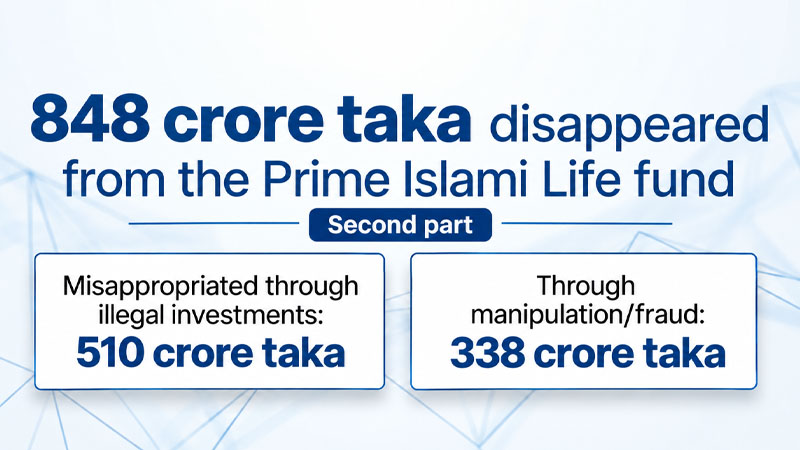
The ACC had earlier filed case number 35 on July 31, 2025, charging 24 individuals- including 14 directors of the company- with misappropriating Tk 45 crore. The total amount embezzled from the company has been estimated at over Tk 2,800 crore. Despite this, Fareast Islami Life has failed to comply with regulatory directives to sell assets and repay the Tk 2,753 crore owed to policyholders, worsening public concern.
Documents reveal that ACC case defendant Naznin Hossain, also a current board director, was invited to the meeting, along with fellow defendant Helal Mia, who attended as a special guest. Helal Mia’s brother, Mobarak Hossain, currently an independent board director, was also invited, raising concern over conflict of interest. Furthermore, Naznin Hossain’s husband, Mosharraf Hossain- though not a formal director- was invited and allegedly plays an active role in the company’s affairs. The session was chaired by Dr Md Mokaddes Hossain, brother of two other ACC defendants, highlighting the depth of familial and accused-linked influence within the board.
According to the Corporate Governance Guidelines for insurers, particularly clause 6.5, directors with conflicts of interest- including family ties to accused parties- are barred from holding board positions. Both Naznin and Mobarak’s positions appear to directly contravene these rules. Moreover, the active role of non-board members like Mosharraf Hossain breaks existing insurance laws, exposing substantial gaps in compliance and enforcement.
Industry experts warn that IDRA’s lack of intervention in this case sets a precedent. By allowing accused individuals to influence decisions while critical financial recovery efforts stall, the regulator risks undermining public trust in the insurance sector. The incapability to recover embezzled funds or prioritise policyholder claims could discourage future investment and weaken the credibility of the financial industry.
.jpg)