Amazon’s insurance framework: Requirements for sellers, vendors and partners
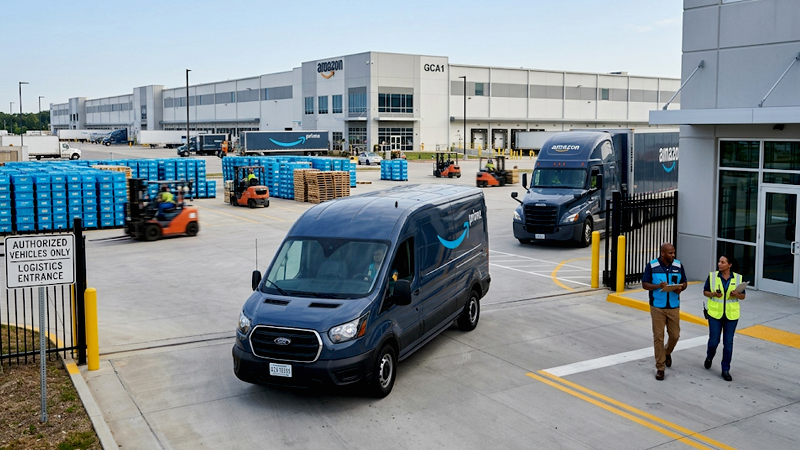
News desk: Amazon maintains a multi-layered insurance framework covering its corporate entities, third-party sellers, vendors and logistics partners, with requirements and verification mechanisms outlined across publicly available materials.
On the corporate side, Amazon.com, Inc. and certain subsidiaries, including Whole Foods Market, publish Memoranda of Insurance (MOIs) through the company’s investor relations site. These documents, accessible online, summarize key policy details including policy numbers, effective and expiration dates, coverage limits and insurer identification. Amazon states that the MOIs provide information “in the same way as a certificate of insurance,” including provisions such as additional insured status, waiver of subrogation and primary, non-contributory wording.
The MOIs are hosted via broker platforms, including Marsh and Willis, depending on the coverage line. While they provide high-level verification of coverage, full policy terms, conditions and pricing are not publicly disclosed.
For marketplace participants, Amazon requires commercial liability insurance from third-party sellers once monthly gross proceeds exceed $10,000. According to Amazon’s seller guidance, policies must provide at least $1 million per occurrence and in aggregate on an occurrence basis and cover risks such as products liability, completed operations, bodily injury, personal and advertising injury, and property damage.
Policies must name Amazon and its affiliates as additional insureds and meet minimum insurer financial strength ratings (typically A- or better from AM Best or S&P). Sellers may obtain coverage independently or through the Amazon Insurance Accelerator, a referral program administered by Marsh that connects sellers with participating insurers offering compliant policies.
Public descriptions of the accelerator confirm access to multiple insurers, though Amazon and Marsh do not consistently publish a definitive, current carrier panel. Industry reports have historically referenced carriers such as Chubb, Liberty Mutual, Travelers, Hiscox and Markel, but participation may vary over time.
Insurance requirements increase for larger commercial counterparties. AWS vendor agreements, for example, commonly require at least $5 million in commercial general liability, along with $1 million in automobile liability and statutory workers’ compensation coverage. These agreements also require additional insured status, waiver of subrogation and primary coverage provisions.
In Amazon’s logistics network, Relay delivery partners must maintain minimum coverage including $1 million in auto liability, $100,000 in cargo coverage and general liability coverage typically structured at $1 million per occurrence and $2 million aggregate. Additional requirements may apply depending on fleet type and employment structure.
.jpg)