Insurers See Lower Risk from Climate Ready Buildings
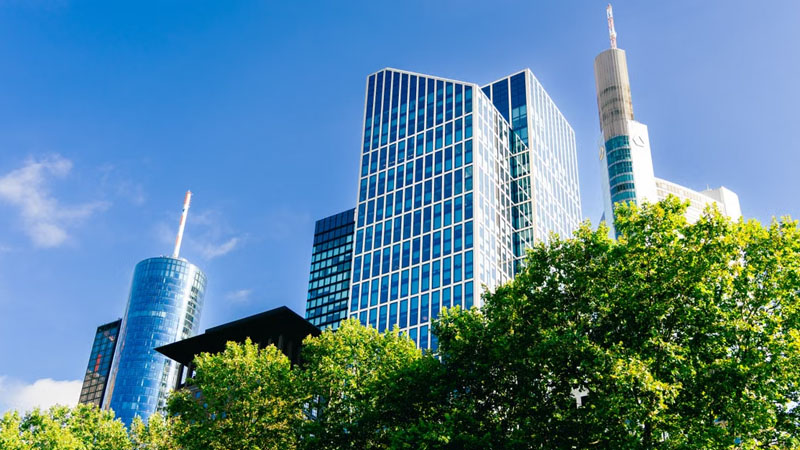
Global Insurance Desk: Marsh and Hongkong Land have released a joint report showing that climate resilient building design can sharply reduce expected physical losses and help protect property values at a time when insurers are tightening coverage in high risk markets.
The study titled Building Value That Lasts examines Hongkong Land’s 1.7 million square metre Westbund Central development in Shanghai and finds that engineered resilience features cut expected average annual losses from storm surges by 84 percent and from rainfall flooding by 88 percent under current climate conditions according to the findings reported by Insurance Asia.
The analysis comes as property insurers raise premiums adjust terms and pull back from underwriting in vulnerable locations. By quantifying the impact of adaptation measures the report demonstrates how such features can keep a project’s risk profile lower and more stable over time.
Under a high emissions scenario for 2050 unprotected assets at the site would face more than double the storm surge losses and triple the wind damage compared with today’s levels. With the resilience measures in place projected 2050 storm surge losses fall to 0.12 percent against 0.38 percent for an unprotected building today while rainfall flood losses drop to 0.05 percent from 0.19 percent. Wind losses are reduced by 36 percent under present conditions and by 31 percent in the 2050 projection.
Among the specific engineering steps are drainage capacity increased by 23 percent to handle one in 100 year storms Grade 1 waterproofed basements elevated critical machinery and a 2 000 cubic metre sponge city style stormwater system. Executives involved in the work observed that fewer than 10 percent of climate related disclosures currently put a number on the returns from adaptation. They urged property developers lenders and insurers to work together from the earliest design stages so that standardised resilience metrics can be applied more widely across commercial portfolios.
The findings add weight to the argument that proactive investment in building performance can make assets more attractive to insurers and help maintain coverage availability even as climate risks intensify.