Strait of Hormuz tensions put global insurance markets under pressure

Desk report: Rising tensions around the Strait of Hormuz are creating fresh uncertainty in global energy markets. The impact is not limited to oil and gas prices. The crisis is also putting significant pressure on the global insurance industry, especially in marine, cargo, energy and reinsurance sectors.
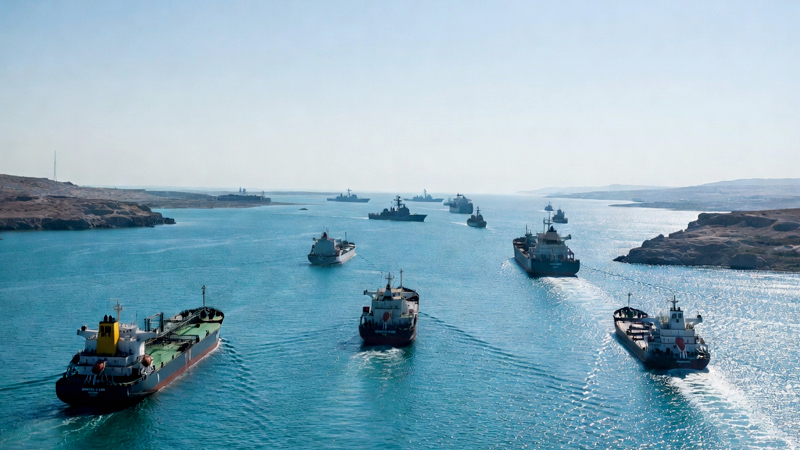
The Strait of Hormuz is one of the world’s most important energy shipping routes. A large share of global crude oil and liquefied natural gas (LNG) passes through this narrow waterway. Any disruption, blockage, or security threat in the area can quickly affect international supply chains. When shipping routes become unstable, insurers must reassess their risk exposure.
One immediate impact is on marine insurance. If the region is classified as high-risk, demand for war risk coverage rises sharply. Insurers often impose additional premiums for vessels operating in conflict-prone zones. These higher premiums increase overall shipping costs for vessel owners and charterers.
Cargo insurance is also affected. Delays, route changes and the risk of physical damage increase the likelihood of claims. As a result, insurers may tighten policy terms and apply stricter underwriting standards. Companies that rely heavily on timely deliveries face greater uncertainty and financial pressure.
LNG shipments are especially sensitive. LNG carriers are high-value, specialised vessels. Any disruption in transit can result in major financial losses. The complexity of insuring LNG cargo adds further pressure to insurers and reinsurers. Because large risks are often shared through reinsurance, geopolitical instability can also drive up reinsurance premiums and lead to tighter contract conditions.
The broader economic impact is another concern. Energy supply disruptions can slow industrial production and global trade. This increases the risk of claims under business interruption policies and other commercial insurance covers. Rising import and export costs may also strain corporate cash flows, raising credit insurance risks.
Financial market volatility adds to the challenge. Fluctuations in energy and transportation stocks can affect insurers’ investment portfolios. This means companies are exposed not only to underwriting risks but also to investment risks during periods of geopolitical instability.
In response, insurance companies are strengthening their risk assessment processes. Many are relying more on real-time data analysis and enhanced claims management systems. Insurers are reviewing coverage limits, deductibles and policy conditions for operations in high-risk areas. They are also advising clients to consider alternative shipping routes and adopt stronger risk mitigation measures.
The situation in the Strait of Hormuz shows how quickly geopolitical tensions can affect the global insurance framework. Premium adjustments, coverage restructuring and pressure on reinsurance capacity are already visible. If the crisis continues, structural changes may emerge in marine and energy-related insurance markets.
The current tensions are not just a regional security issue. They represent a real stress test for the global insurance industry. For insurers worldwide, this is a critical moment to adopt firm and forward-looking risk management strategies.