The cruise that went out of control
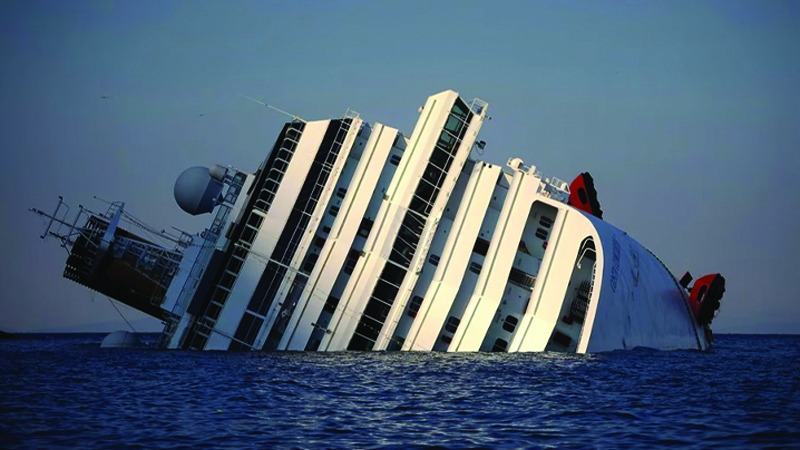
Mashrukh Khan: The Costa Concordia cruise ship ran aground on the night of January 13, 2012, off the coast of Isola del Giglio in Italy after Captain Francesco Schettino deviated from the planned route in a maneuver known as a “sail-by.”
The luxury liner struck a submerged rock, tearing a large gash in the hull. Water flooded the engine rooms, causing a power blackout. The ship listed heavily and eventually capsized, resulting in 32 deaths and many injuries among the more than 4,200 passengers and crew on board.
The vessel, valued at around $500–570 million, was declared a constructive total loss. Hull and machinery insurers, including companies such as XL, Generali, and RSA, paid out more than $500 million to cover the ship itself. The Costa Concordia carried a $30 million deductible, which the owner, Costa Cruises (part of Carnival Corporation), absorbed.
The far larger portion of the claim fell to Protection and Indemnity (P&I) insurance, provided through mutual clubs like the Standard Club. This covered passenger and crew liability, personal injury and death claims, environmental response, and the massive cost of wreck removal.
Salvage operations proved extraordinarily complex and expensive, involving the unprecedented “parbuckling” technique to rotate the ship upright after it had lain on its side for over a year. Wreck removal, towing, and scrapping costs escalated significantly due to engineering challenges, environmental oversight, and prolonged operations.
By 2014, the P&I loss had risen to approximately $1.44 billion, pushing the total insured marine loss close to $2 billion.
This disaster became one of the most expensive marine insurance claims in history, with overall industry payouts estimated between $1.5 billion and nearly $2 billion. The claim was spread across numerous underwriters at Lloyd’s of London, international reinsurers, and the International Group of P&I Clubs’ pooling and reinsurance arrangements. Reinsurers such as Munich Re reported losses in the mid double-digit millions of euros.
The Costa Concordia incident highlighted vulnerabilities in large cruise ship operations and drove up awareness of wreck removal risks. It stood for years as the costliest single marine hull and liability loss until later events challenged its record. The rapid and substantial payouts demonstrated the strength of the global marine insurance market in absorbing catastrophic losses while underscoring the high financial stakes involved in modern maritime disasters.