Marine insurers cancel war risk cover for ships in Persian Gulf amid Iran conflict

Desk report: Several leading marine insurers have canceled war risk coverage for vessels operating in the Persian Gulf, Iranian waters and adjacent areas, citing heightened geopolitical risks following the escalating conflict involving Iran.
The decision, announced on March 1, 2026, affects key members of the International Group of Protection and Indemnity (P&I) Clubs, including Gard, Skuld (Assuranceforeningen Skuld), NorthStandard, the London P&I Club, the American Club, Steamship Mutual and The Swedish Club, together representing a significant share of the world’s largest maritime mutual insurers.
Notices issued by the clubs state that war risk cover will terminate automatically at 00:00 GMT on March 5, 2026, following the standard 72-hour notice period. From that point, war risks, including damage caused by war, terrorism, hostilities and related perils, will be excluded for ships entering Iranian territorial waters (up to 12 nautical miles offshore), the Persian Gulf, the Gulf of Oman and specified adjacent waters.
The cancellations follow reinsurers withdrawing capacity for war risk exposures in the region, driven by recent US and Israeli military strikes on targets inside Iran, followed by Iranian missile attacks and retaliatory actions. The escalation has effectively turned parts of the region into what marine underwriters now consider a high-risk or ‘war zone’ environment.
War risk insurance, typically purchased as additional cover alongside standard hull and machinery or P&I policies, protects shipowners, charterers and operators against third-party liabilities and physical damage arising from armed conflict. Its withdrawal forces vessel operators to either avoid the affected zones, secure coverage from specialised war risk markets, often at significantly higher premiums, or face uninsured exposure.
Brokers and analysts, including Dylan Mortimer, Marine Hull UK War Leader at Marsh, anticipate sharp premium increases for remaining or new war risk coverage in the Gulf. Near-term rate hikes for marine hull war risk business could range from 25% to 50%, depending on vessel type, trading routes and whether merchant shipping becomes a direct target.
Before the latest escalation, war risk premiums for vessels operating in the Gulf were typically around 0.25% of a ship’s replacement value. Similar increases are also expected for vessels calling at Israeli ports.
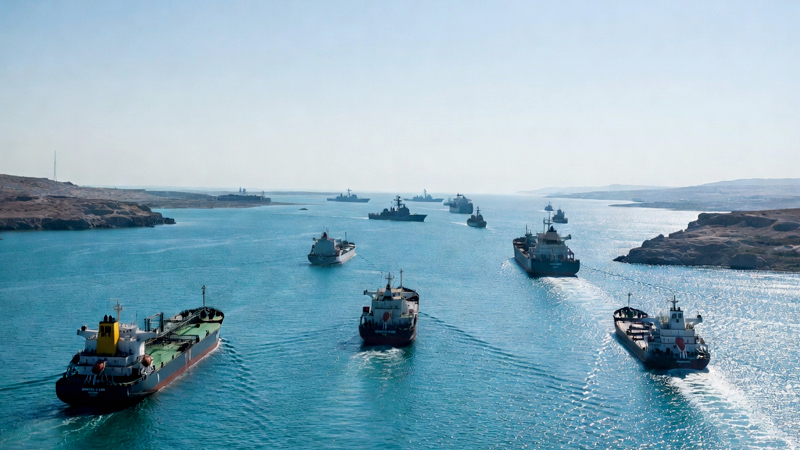
The move raises concerns for global trade routes, particularly the Strait of Hormuz, one of the world’s most critical maritime chokepoints for oil and gas shipments. Some shipping companies, including major operators, have already paused or rerouted sailings to reduce risks to crews, cargo and assets.
Industry sources emphasise that standard P&I and other non-war insurance covers remain unaffected.
However, the coordinated action signals a rapid tightening of reinsurers’ appetite for Middle East war exposures, with insurers and brokers continuing to monitor developments closely. Shipowners are advised to review voyage plans and consult brokers regarding potential buy-back options or alternative insurance arrangements ahead of the March 5 effective date.