Lloyd’s keeps war risk cover open in Hormuz corridor

News desk: Lloyd’s of London will continue to provide insurance cover for vessels transiting the Strait of Hormuz, despite escalating geopolitical tensions that have significantly increased security risks in the region.
Lloyd’s CEO Patrick Tiernan said in an interview with Bloomberg Television that shipping activity through the strategic waterway has declined sharply as operators reassess exposure to potential attacks. This slowdown has, in turn, reduced demand for new insurance placements.
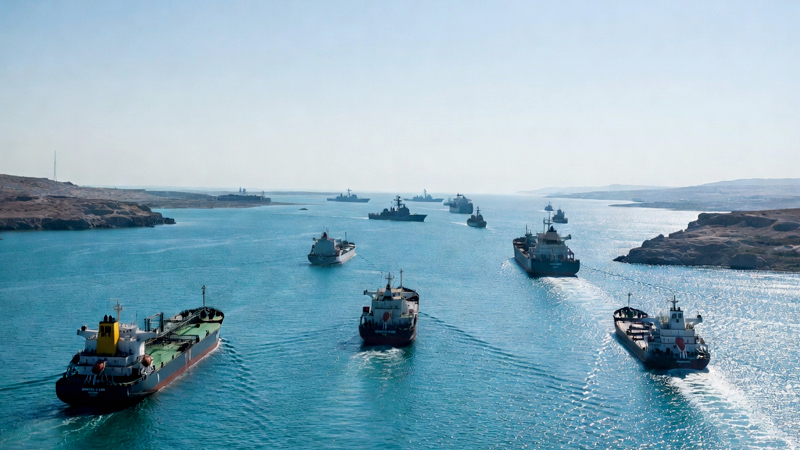
The Strait of Hormuz remains one of the world’s most critical maritime chokepoints, accounting for roughly 20% of global oil flows. It also serves as a vital corridor for liquefied natural gas, fertilizers, and other essential commodities. However, rising hostilities involving Iran, the United States, and Israel have severely disrupted traffic, raising concerns across global energy and insurance markets.
Despite the deteriorating security environment, the Lloyd’s Market Association (LMA) confirmed that marine war risk cover remains available. However, underwriting conditions have tightened significantly, with premiums rising steeply in response to heightened threat levels.
Market sources indicate that war risk premiums have surged to around 5% of a vessel’s insured value—approximately five times higher than levels seen at the start of the current conflict. The increase reflects both elevated exposure to physical damage and growing uncertainty around safe passage through the region.
Tiernan emphasised that pricing in the marine war risk segment is inherently volatile. “Premiums can escalate rapidly during periods of instability but may also decline quickly as conditions improve,” he said. While such cover is typically modest in cost during peacetime, crisis conditions can trigger sharp repricing. Even so, marine war risk remains a relatively small component of the broader insurance market.
The LMA’s Joint War Committee noted that, although cover is still in place, underwriting decisions are now being made on a case-by-case basis. Insurers are closely assessing voyage-specific risks, including routing, timing, and vessel exposure. The committee also reported that more than 25 commercial vessels have been attacked in the region, underscoring the severity of the threat environment.
In a bid to stabilise shipping activity, the US International Development Finance Corporation (DFC) announced on March 11 that it is partnering with Chubb Ltd. to establish a $20 billion reinsurance backstop. The initiative is designed to support insurers and encourage the resumption of maritime trade through the Strait.
However, Moody’s Ratings has warned that the scheme may have limited effectiveness, noting that it does not include liability coverage, an important component of maritime risk protection.
At the policy level, UK Chancellor Rachel Reeves recently met Lloyd’s Chairman Charles Roxburgh to discuss measures aimed at maintaining shipping flows. Discussions included potential insurance support mechanisms as well as the possible deployment of the UK’s strategic oil reserves to mitigate supply disruptions.
Tiernan highlighted the importance of coordinated action between the public and private sectors. “In situations like this, close collaboration is essential. We remain engaged with governments and market participants to support continuity,” he said.
While insurance capacity remains available, elevated premiums and persistent security concerns continue to weigh heavily on shipping decisions. The outlook for a full recovery in traffic through the Strait of Hormuz remains uncertain, with potential long-term implications for global energy supply chains and the marine insurance market.