Hormuz tensions raise insurance costs, disrupt Bangladesh fertilizer imports

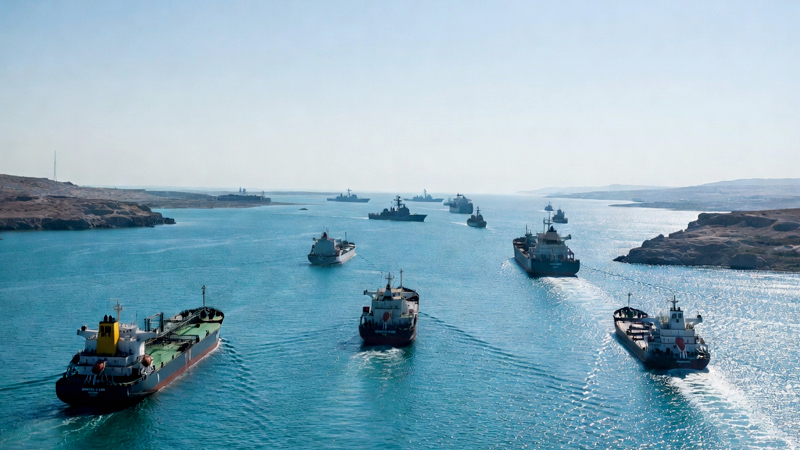
News desk: Ongoing tensions involving Iran, Israel and the United States have heightened security risks in the strategic Strait of Hormuz, directly impacting global maritime trade. The instability is creating uncertainty in Bangladesh’s energy and fertilizer imports, while also driving up marine insurance costs and overall import expenses, with potential ripple effects on the agricultural sector.
According to international shipping and insurance market observations, including insights from S&P Global, war risk insurance premiums for vessels transiting the Persian Gulf have increased significantly in recent months. The Strait of Hormuz is now widely considered a high-risk zone. As a result, shipowners are required to secure additional insurance coverage and cargo insurance costs are rising. At the same time, higher claim risks are pushing up reinsurance costs, which are ultimately passed on to importers and reflected in higher end-user prices.
The shipping sector is also experiencing disruptions due to elevated security risks. Delays in vessel movement, route uncertainties and higher operational costs are increasing overall logistics expenses. Bangladesh-related data indicate that in April 2026, a list of six vessels has been finalised to transport approximately 500,000 tonnes of LNG and 79,000 tonnes of crude oil. In contrast, in March 2026, nearly half of the 17 fuel-carrying vessels failed to arrive on schedule, highlighting growing strain in supply chains. Industry sources also suggest that container shipping costs have risen sharply on certain routes, although the extent of increase varies depending on risk exposure and route conditions.
The fertilizer sector is among the most affected, as Bangladesh relies heavily on imports to meet agricultural demand. Market indications show that international prices of urea have increased by approximately 20 to 25 percent, while diammonium phosphate (DAP) prices have risen by around 10 percent. In addition, a geopolitical risk premium is being added to imports, increasing the overall landed cost of fertilizers. Dependence on the Hormuz route for Middle Eastern supplies has further heightened uncertainty, prompting the government to seek alternative sourcing strategies.
In response, Bangladesh is increasing imports from alternative suppliers. Plans include sourcing around 180,000 tonnes of potash (MOP) from Russia, while Morocco’s OCP Group is supplying DAP and TSP. Canada remains a key source of potash and China and Egypt are being engaged for urea and other fertilizers. However, longer shipping distances and higher freight costs from these sources continue to limit cost efficiencies.
Rising fertilizer prices and import costs are already affecting the agricultural sector. Agricultural economists estimate that farmers’ costs may increase by approximately Tk 500 to Tk 550 per bigha of land. If farmers reduce fertilizer use to manage expenses, crop yields could decline, potentially driving up prices of staple foods such as rice, wheat, maize and vegetables, and contributing to broader inflationary pressures.
The government continues to provide substantial subsidies for fertilizers to mitigate the impact. In the proposed FY2025–26 budget, Tk 17,000 crore has been allocated to the agriculture sector, although the Ministry of Agriculture had sought around Tk 25,000 crore. The government currently provides a subsidy of approximately Tk 1,000 to Tk 1,250 per 50 kg bag of MOP. To manage rising import costs, a special bond worth Tk 3,016 crore has been issued to help settle outstanding subsidy liabilities. However, increasing insurance premiums and logistics costs are expected to further raise the overall subsidy burden.
Insurance analysts emphasise the need for stronger risk management strategies under current conditions. This includes enhanced marine insurance frameworks, robust reinsurance support and diversification of shipping routes. Expanding import sources and strengthening domestic fertilizer production are also seen as critical to reducing long-term vulnerability.
The instability in the Strait of Hormuz is no longer just a geopolitical concern for Bangladesh. It is now directly affecting insurance costs, import dynamics and the agricultural economy. Rising war risk premiums, higher shipping costs and supply uncertainties are making fertilizer imports more expensive, with potential long-term implications for the country’s food security and economic stability.