Impact of Strait of Hormuz on global commerce and insurers

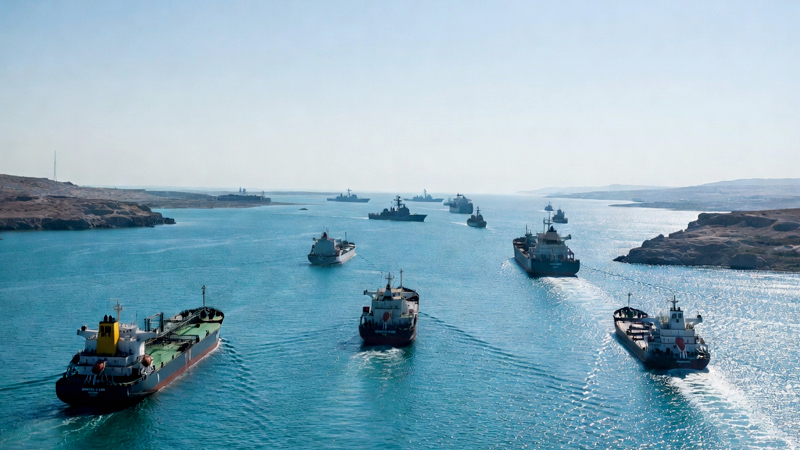
News desk: The Strait of Hormuz, the narrow waterway between Iran and Oman, remains the world’s most critical energy transit chokepoint, carrying a significant share of global oil and gas flows while concentrating substantial insured maritime risk.
According to the International Energy Agency (IEA), approximately 20 million barrels per day (mb/d) of crude oil and petroleum products transited the strait in 2025, accounting for about 25% of global seaborne oil trade and roughly one-fifth of global petroleum liquids consumption. Of this volume, nearly 15 mb/d consisted of crude oil and condensate, equivalent to about 34% of global crude trade, while close to 5 mb/d comprised refined products such as diesel and jet fuel.
Key exporters using the route include Saudi Arabia, Iraq, the United Arab Emirates, Kuwait and Iran, with the majority of shipments destined for Asian markets, particularly China and India.
The strait is also a critical artery for liquefied natural gas (LNG), with around 20% of global LNG trade, primarily from Qatar and the UAE, passing through the corridor. This dual role in oil and gas supply amplifies the potential impact of any disruption, with immediate implications for global energy prices and supply chains.
From an insurance perspective, the concentration of high-value maritime assets in and around the Persian Gulf represents a significant accumulation risk. Market participants estimate that approximately 1,000 commercial vessels operate in the region at any given time, about half of them oil and gas tankers, with aggregate insured hull values exceeding $25 billion.
Cargo exposures are also substantial. A single very large crude carrier (VLCC) can transport oil worth several hundred million dollars per voyage, depending on prevailing prices.
War risk pricing has reflected the heightened geopolitical sensitivity of the region. In periods of escalation, additional premiums for Gulf transits have risen sharply from typical pre-crisis levels of around 0.15%–0.25% of hull value to several percentage points, with the highest-risk voyages attracting significantly higher rates. The volatility underscores the scale of potential losses for marine insurers and reinsurers in the event of a major disruption.