Insurance fraud rocks Nepal’s Everest tourism industry
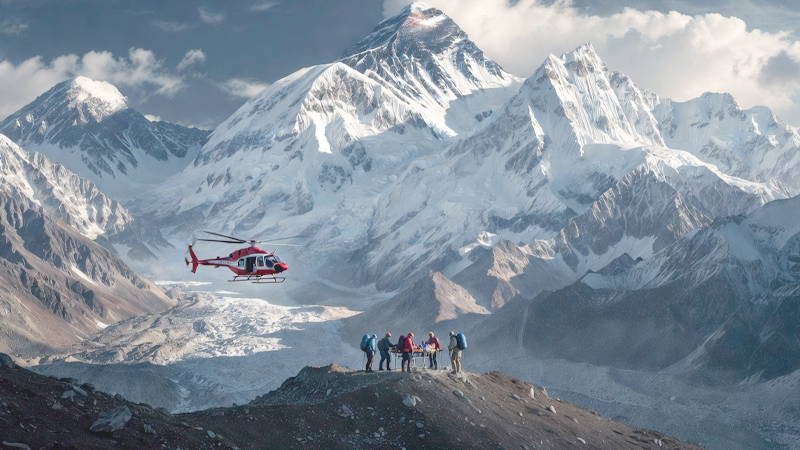
Int’l desk: A shocking and elaborate insurance fraud scheme has been uncovered in the shadow of the Himalayas, which has severely impacted Nepal’s tourism industry. Nepalese authorities have discovered a well-organised fraud network that specifically targeted foreign trekkers visiting Mount Everest and its remote surrounding areas. According to a report by The New York Times, this fraudulent operation has siphoned off nearly $20 million (approximately Tk 220 crore) from international insurance companies.
The fraud was revealed through an investigation by Nepal’s influential newspaper, The Kathmandu Post. The investigation found that several tourism guides, helicopter companies and private hospitals were involved in the scam. The culprits orchestrated a plan to intentionally make foreign tourists ill, allowing them to charge inflated bills for medical evacuations and treatments. Tourists were unknowingly served food laced with harmful chemicals to make them fall ill, so they could be rescued by helicopter and rushed to hospitals for costly treatments.
In one instance, rather than the actual cost of a helicopter ride (typically around $2,000-$3,000), fake bills for $10,000-$15,000 were submitted to insurance companies. These fraudulent claims were then processed and the victims were admitted to hospitals that charged exorbitant fees, with some costs covered partially by insurance companies.
Nepalese police have charged 33 individuals in connection with the scam, including owners of helicopter companies and hospital executives. As a result of the scandal, international insurance companies have threatened to stop providing services in Nepal. In response, the Nepalese government has introduced new Standard Operating Procedures (SOPs) for rescue operations. The Central Investigation Bureau (CIB) is leading the investigation and has already arrested several suspects.
The scandal has not only led to substantial financial losses but has also damaged the credibility of Nepal’s tourism sector. Experts suggest that this incident could complicate future relations between Nepal’s government and international insurance companies. To restore confidence and avoid similar incidents, the Nepalese government will need to take stringent measures to protect foreign tourists and prevent further exploitation.
Additionally, this fraud has raised alarms within the global insurance industry, highlighting the urgent need for more stringent oversight and monitoring. Insurance companies may now demand greater scrutiny and safeguards for tourism-related claims in Nepal, which could reshape the landscape of adventure tourism in the country.
In the wake of this scandal, it is clear that Nepal must take decisive action to rebuild trust in its tourism and insurance sectors. As the investigation continues, both national authorities and international stakeholders must collaborate to implement measures that ensure the safety and integrity of the trekking industry in the Himalayas. With tourism being a major part of Nepal’s economy, restoring international confidence will be crucial for the country’s long-term stability and growth in the global tourism market.