Shippers rush for hormuz insurance after truce deal
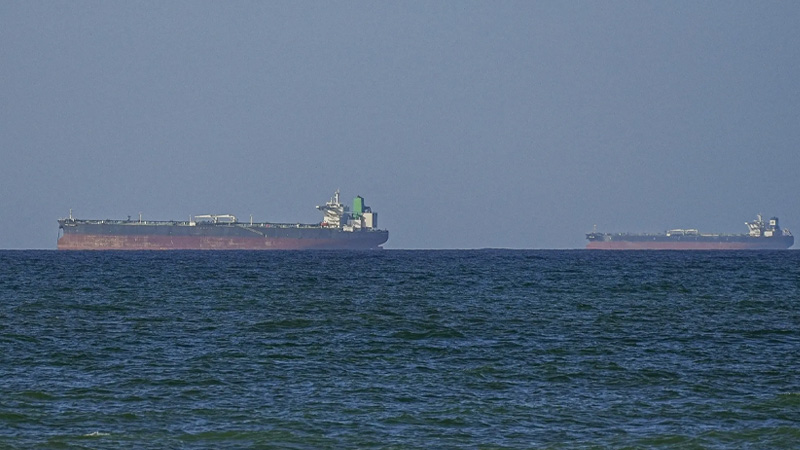
Mashrukh Khan: Shipowners have flooded marine insurance brokers with huge volume requests for coverage to transit the Strait of Hormuz following the US-Iran ceasefire deal announced on April 7. The fragile two-week truce has prompted a surge in inquiries as operators seek to resume voyages through the vital waterway that carries about one-fifth of global oil and liquefied natural gas shipments.
According to David Smith, head of marine at London-based broker McGill and Partners, the increased demand has triggered a pronounced rate correction. Underwriters are already recognizing the ceasefire and reducing rates for some risks, though the Strait of Hormuz remains classified as a very high risk area due to lingering heightened war conditions.
The waterway stayed largely blocked in the immediate aftermath of the announcement, with vessel traffic remaining minimal despite a handful of crossings. Shipowners continue to await detailed security arrangements, technical protocols, and full insurance terms from both the US and Iranian sides before committing vessels. Iran has maintained tight control, reportedly requiring permits or tolls for some transits, adding layers of uncertainty.
War-risk premiums had soared dramatically during the conflict, rising from pre-war levels of fractions of a percent to as high as 5-10% of hull value per voyage in extreme cases, making many transits commercially unviable. The ceasefire has brought some relief, with brokers like Arthur J. Gallagher noting early signs of easing, yet premiums are expected to stay elevated in the near term. Insurers and shipowners remain cautious, emphasizing that confidence in reduced risk—not just a temporary pause—is essential for full resumption.
Industry experts highlight that while crude cargo interest in the Middle East Gulf appears to be picking up, activity stays tentative until insurers clarify cover conditions and protocols. Hundreds of vessels reportedly remain on standby or trapped, with restart expected to be gradual rather than immediate. The situation underscores the critical interplay between geopolitics, security, and marine insurance in global energy trade.
.jpg)