Ethiopia insurance market surges 43%, but penetration remains low
Int’l desk: Ethiopia’s insurance sector is expanding rapidly, with gross written premiums reaching 41.1 billion birr as of June 2025, reflecting a 43.1% year-on-year increase. Total industry assets also climbed to 84.9 billion birr, marking a 29.3% rise and signalling growing momentum in the market despite persistent structural limitations. However, insurance penetration remains critically low at just 0.3% of GDP, highlighting the sector’s limited reach across the wider economy.
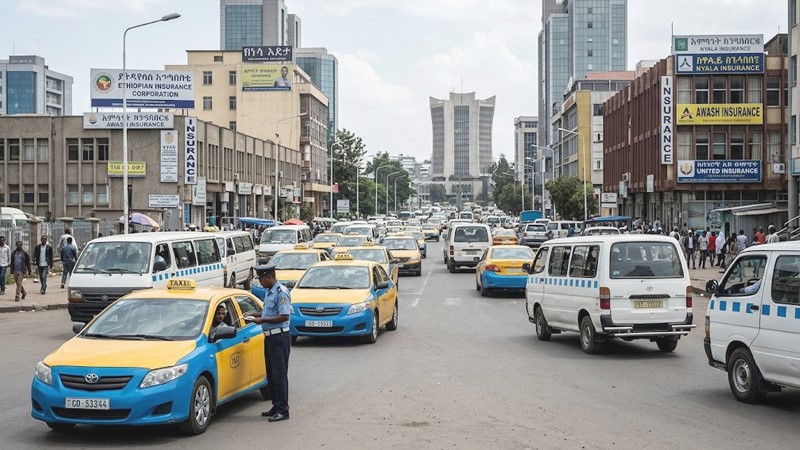
The market continues to be overwhelmingly dominated by non-life insurance, which accounts for more than 93% of total business. Motor insurance alone represents nearly half of this segment, driven largely by mandatory third-party liability coverage required for all vehicles operating on public roads. This compulsory insurance provides protection against bodily injury, death and property damage to third parties, along with limited emergency medical expenses. Compensation limits are regulated, ranging between 5,000 and 40,000 birr for injury or death and up to 100,000 birr for property damage.
In contrast, life insurance remains significantly underdeveloped, generating only around 2.7 billion birr during the 2024/25 financial period. Available products include term life, endowment, whole life, group life and credit life policies, alongside limited pension-linked offerings aimed at providing death benefits and long-term savings. The relatively low uptake of life insurance reflects both limited public awareness and affordability constraints.
Beyond motor insurance, insurers are gradually expanding their product offerings to include property and fire coverage for buildings and contents, marine cargo insurance for trade-related risks, liability protection, personal accident coverage, health insurance and engineering policies. Emerging micro-insurance products are also gaining attention as a means of extending coverage to low-income populations, although overall adoption remains in its early stages.
The sector operates under the supervision of the National Bank of Ethiopia, which enforces regulatory compliance through the Insurance Business Proclamation and related directives. Insurers are required to follow the principle of utmost good faith, ensuring full disclosure of all material information before issuing policies. Failure to comply with these requirements can result in reduced claim payouts or complete policy voidance. Standard exclusions typically apply to risks such as intentional damage, war, nuclear events, gradual wear and tear and any perils not explicitly covered under the policy.
Claims activity in Ethiopia is heavily concentrated in motor insurance, largely due to road conditions, traffic congestion and increasing vehicle usage. Property-related claims, particularly those arising from fires, floods and storms, also contribute significantly to overall payouts. While insurers are expected to process claims promptly, delays and disputes are not uncommon, often arising from late notification, incomplete documentation, suspected fraud, or non-disclosure of relevant information at the underwriting stage.
Premium pricing across the market is generally risk-based, with factors such as asset value, vehicle type, driver history and exposure to hazards influencing the cost of coverage. Life and health insurance premiums are typically linked to age and the level of coverage selected. However, insurers are facing increasing pressure from inflation, foreign currency shortages and limited access to reinsurance, all of which are contributing to rising premium rates in certain segments.
The Ethiopian insurance market currently comprises 19 insurers, including a single domestic reinsurer. While the sector remains heavily reliant on motor insurance, there is growing recognition of the need to diversify and modernise. Opportunities are emerging in areas such as infrastructure-related insurance, digital distribution channels and micro-insurance solutions designed to improve financial inclusion. Regulatory reforms, including the introduction of risk-based capital frameworks and the potential opening of the market to foreign investors, could further accelerate development.
.jpg)