Turkey Insurance Market Grows 45.8% as Non-Life Business Leads the Market
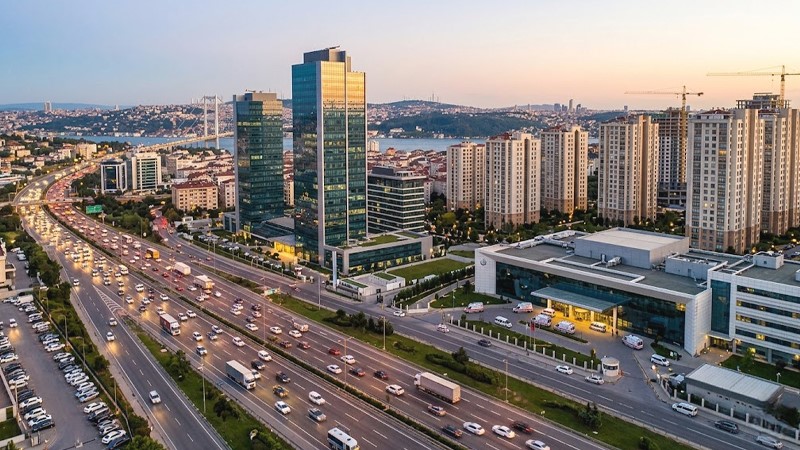
Int’l Desk: Turkey’s insurance market continued its robust growth in 2025, driven by inflation, mandatory insurance requirements, increasing vehicle ownership and a growing awareness of catastrophe protection. Despite ongoing economic volatility, the sector recorded significant premium growth across both life and non-life segments.
According to industry data, Turkey’s insurance market generated approximately TRY 1.22 trillion in gross written premiums in 2025, reflecting a year-on-year increase of 45.8%. Non-life insurance continued to dominate, accounting for nearly 86% of the market share. In one recent reporting period, the non-life segment produced around TRY 340 billion (approximately USD 7.6 billion) in premiums, achieving an annual growth rate of 28%.
Life insurance also showed strong momentum, with premiums expanding by 51% during the first two months of 2026. This surge was driven by increasing demand for savings-linked products and protection plans, offering coverage for death, critical illness and long-term financial security.
The non-life segment remained led by motor, property and health-related insurance products. Motor third-party liability insurance, which is mandatory for all motorized vehicles in Turkey, continued to be one of the largest lines of business. Comprehensive motor insurance, known as CASCO, also experienced solid demand as consumers sought broader protection against accidents, theft and vehicle damage.
One of the most important drivers in Turkey's insurance market is the country’s compulsory earthquake insurance system, known as DASK. This coverage is mandatory for residential and certain non-commercial properties and protects against losses caused by earthquakes, including fire, explosion, tsunami and landslides. The system’s importance has grown following major seismic events in the region.
Beyond motor and earthquake insurance, Turkish insurers offer a broad range of products across both life and non-life categories. Life insurance products include term life, whole life, endowment, unit-linked, group life and retirement savings plans, ensuring coverage for various life risks.
Non-life insurance offerings include property and fire insurance, liability coverage, engineering insurance, marine and aviation insurance, personal accident policies, workers’ compensation, supplementary health insurance and emerging micro-insurance solutions. Increasingly, digital distribution channels and bancassurance partnerships are playing a critical role in expanding market reach.
Turkey’s insurance sector is regulated by the Insurance and Private Pension Regulation and Supervision Agency (SEDDK), which operates under the Ministry of Treasury and Finance. The market includes around 70 to 73 insurance and reinsurance companies, including a mix of strong local insurers, foreign-backed firms and bancassurance-linked players. Insurance contracts are governed by the Turkish Commercial Code, Insurance Law and other general policy conditions set by the SEDDK.
Insurance policies in Turkey follow the principle of utmost good faith, requiring policyholders to disclose all material facts before coverage is issued. Failure to disclose accurate information can result in reduced payouts or policy cancellation. Common exclusions include intentional acts, war risks, nuclear events, gradual wear and tear and uninsured perils unless specifically endorsed.
The majority of claims in Turkey arise from motor accidents, health-related events and property losses from fires, floods, storms and earthquakes. Catastrophic events, particularly earthquakes, can lead to large insured losses, triggering substantial DASK payouts.
Insurance premiums are closely tied to inflation, reinsurance costs and regulatory controls. The pricing of compulsory motor insurance is subject to regulatory oversight, while premiums for comprehensive motor, property and health insurance are influenced by factors like risk exposure, asset value, location and driver history. Turkey’s motor insurance market also uses a bonus-malus system to reward policyholders with lower claims histories through premium discounts.
Despite the significant growth, the Turkish insurance market faces challenges, including claims inflation, economic uncertainty and pricing pressure in compulsory insurance lines. However, opportunities continue to emerge through digital innovations, increased awareness of catastrophe insurance, growth in life and pension products and greater insurance penetration across the population.
With the expansion of compulsory insurance systems and increasing consumer awareness, Turkey’s insurance industry is expected to remain one of the fastest-growing markets in the region in nominal terms over the coming years. The sector's continuous growth, fueled by rising demand and regulatory changes, positions it well for future development.
.jpg)