Trump-Xi Summit in Beijing Offers Stability for Global Insurance Sector
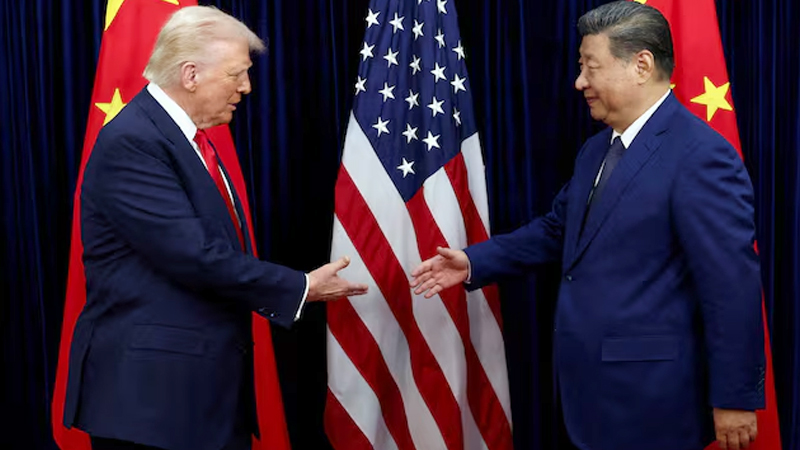
By International Desk: As US President Donald Trump meets Chinese President Xi Jinping in Beijing on May 14–15, 2026, the high-stakes talks carry important implications for the global insurance industry, even if expectations remain modest. With both leaders focused on extending a fragile trade truce originally struck in Busan last October, analysts suggest that any reduction in uncertainty could provide a welcome boost to insurers navigating volatility in trade flows, supply chains and investment markets.
The summit takes place against a backdrop of ongoing tensions, including tariffs that have periodically escalated, disruptions in critical mineral supplies and broader geopolitical concerns ranging from the Iran conflict to technology controls. For the insurance sector, which depends heavily on predictability, even incremental de-escalation holds significant value. Trade policy uncertainty has historically weighed on premium growth, claims costs and portfolio performance, making any signals of stability from Beijing potentially market-moving.
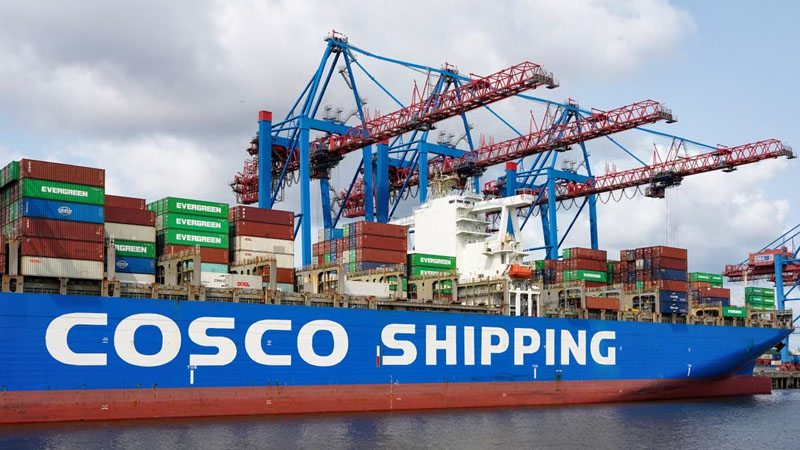
Insurers with substantial exposure to international trade, particularly in marine cargo and trade credit, stand to benefit if the leaders agree to extend purchase commitments for US agricultural goods such as soybeans or aerospace products like Boeing aircraft. Higher trade volumes typically lead to increased insured shipments and lower default risks for credit policies. During previous tariff-driven slowdowns, marine cargo premiums in North America contracted notably, highlighting how renewed trade flows could help restore premium growth.
Property and casualty underwriters may also benefit from more stable supply chains. Tariffs have driven up repair and replacement costs for items ranging from auto parts to construction materials, putting pressure on claims in both personal and commercial lines. Easing tensions around rare earths and other critical minerals, essential to manufacturing and electronics, could help reduce inflationary pressures and improve underwriting predictability. Reinsurers, often exposed to large-scale disruptions, would also welcome any reduction in systemic geopolitical risk.
On the investment side, insurers hold significant portfolios in equities, bonds and alternative assets linked to global economic performance. Positive sentiment from a constructive meeting could support Chinese markets, strengthen the yuan and benefit US export-oriented sectors, thereby improving insurers’ balance sheets at a time of ongoing claims inflation and shifting interest rate dynamics. Conversely, limited progress or renewed tensions could trigger market volatility, which, while disruptive in the short term, has historically created opportunities for long-term investors.
Life and health insurers may gain indirectly from improved economic confidence. Reduced uncertainty tends to support consumer spending and corporate expansion, increasing demand for protection and savings products. In China, where the domestic insurance market continues to grow alongside the expanding middle class, any commitments to broader financial services access could gradually open opportunities for foreign insurers, although regulatory and structural challenges are likely to remain.
Broader discussions, including those related to the Iran conflict, may also influence specialised insurance lines. Greater stability in key shipping routes would support marine and energy insurance by lowering disruption risks, while clearer policies on technology and export controls could help refine underwriting in areas such as cyber insurance and directors’ and officers’ liability.
Despite the potential for progress, the insurance industry’s relationship with US-China dynamics remains complex. Even if the trade truce is extended, underlying strategic competition is expected to persist, creating both risks and new opportunities, such as demand for coverage supporting diversified supply chains. A lack of meaningful outcomes could heighten volatility, prompting tighter underwriting standards, premium increases or portfolio adjustments among insurers with significant cross-border exposure.
Ultimately, the key for insurers will be the durability of any agreements reached. As global carriers assess their geographic and business-line exposures, the Beijing summit represents less a turning point than a potential stabilising force in an increasingly complex risk environment.
In the coming days, market reactions, joint statements on trade mechanisms, such as a proposed bilateral Board of Trade and details on purchase commitments will be closely monitored by insurers and risk managers alike. For an industry built on managing uncertainty, even modest diplomatic progress between the world’s two largest economies could provide valuable operational breathing room.
.jpg)