Carlyle’s $475 Billion Portfolio Adopts Innovative Climate Risk Approach
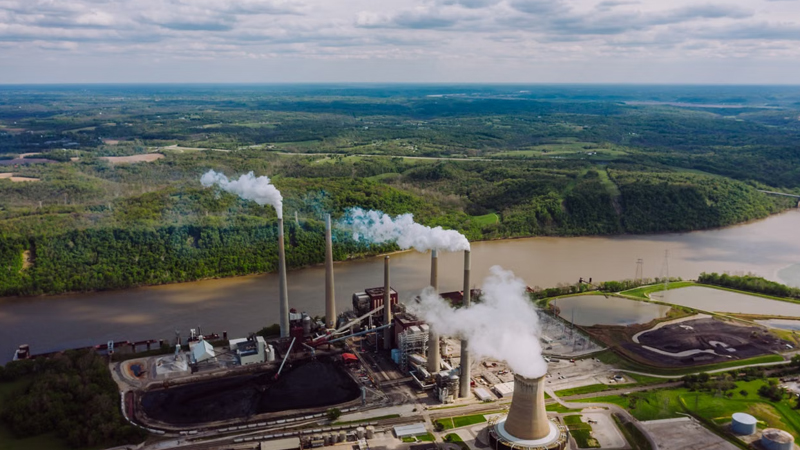
Int’l Desk: Carlyle has unveiled a detailed climate risk framework for its 475 billion dollar portfolio, creating a direct link between investments in resilience upgrades and the potential for more favorable insurance terms along with enhanced asset values.
Introduced during London Climate Action Week, the strategy moves beyond traditional reactive approaches to damage from storms, floods, droughts or heat exposure by emphasizing upfront analysis that can strengthen negotiations with insurers. Steve Hatfield, co-head of global sustainability at Carlyle, noted that the effort seeks to flip the usual paradigm so insurance coverage stays viable for exposed assets rather than disappearing amid rising threats.
Collaborating with insurance broker Marsh and drawing support from institutional players including Mubadala and Sampension, the framework equips portfolio managers with a four-step evaluation.
It starts with estimating the probability of an asset facing extreme weather or gradual climate erosion, then measures the shortfall in current resilience levels. Calculations follow on how specific upgrades could slash potential losses, paving the way for discussions that might yield premium credits, reduced deductibles or expanded coverage.
Research cited in related studies, such as one from the World Resources Institute, indicates that adaptation investments could generate returns as high as tenfold over a decade, offering a compelling financial incentive.
This initiative emerges against a backdrop of surging climate pressures on the insurance sector. Insurers are turning to securitization tools like catastrophe bonds to spread risks more broadly, especially as the data center boom tied to artificial intelligence drives enormous exposures.
Projections suggest another 6.5 trillion dollars in data center development by 2030, with individual hyperscale campuses carrying insurable values of 20 to 30 billion dollars, often exceeding standard market capacity limits. Many new facilities are being built in areas prone to severe convective storms, hail or flooding, heightening accumulation risks according to analyses from firms like XDI and FM.
Uninsured climate losses continue to pose a major challenge, with estimates from reports such as those by NTT DATA placing them around 180 billion dollars in recent assessments, while broader industry figures from Swiss Re underscore how natural catastrophes drive the vast majority of insured losses globally.
In this environment, Carlyle’s framework signals a maturing approach to risk management that could help narrow protection gaps, particularly in high-growth sectors. As economic slowdowns and geopolitical tensions add further complexity to insurance markets, with global premium growth forecasted at a modest 1.3 percent in real terms for 2026 per Swiss Re, such innovations may prove essential for maintaining stability and encouraging proactive resilience across portfolios.

.jpg)