Insurers to Support the Nuclear Energy Boom with New Coverage Options
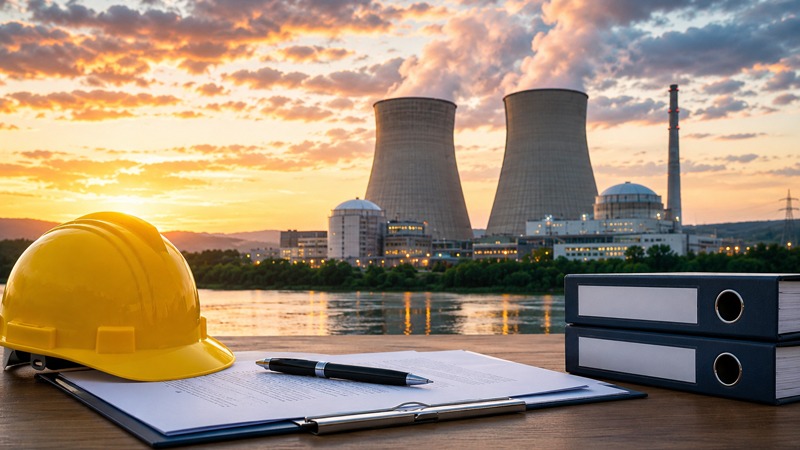
News Desk: Insurers to Support the Nuclear Energy Boom with New Coverage Options: In a significant development for the global energy sector, major insurance players are creating specialized coverage to back the resurgence of nuclear power, which is gaining fresh attention as a reliable, low-carbon energy source amid surging electricity demand from artificial intelligence data centers and other high-tech industries.
Just days ago, on May 19, 2026, Markel International and broker Willis announced the launch of what they describe as a first-of-its-kind dedicated insurance facility for nuclear projects. This new arrangement aims to provide up to $250 million in capacity, offering comprehensive protection that covers both the unique risks of nuclear operations and more standard property-related issues.
The facility stands out because it supports the entire lifespan of a nuclear project, from the early construction phase all the way through daily operations. It includes coverage for property damage and business interruption, meaning if something goes wrong and a plant has to shut down, the policy can help cover lost income as well as repair costs. Importantly, it addresses both “nuclear-critical” risks, such as those tied directly to radioactive materials, and conventional exposures like fire, machinery breakdown, or weather events that could affect any industrial site. This end-to-end approach is designed to give developers, operators, and investors more confidence to move forward with new builds and restarts of existing plants.
The timing of this launch is no coincidence. Around the world, countries and companies are turning to nuclear energy to meet growing power needs while trying to reduce reliance on fossil fuels. Tech giants like Microsoft and Meta have struck deals to restart or purchase power from nuclear plants to fuel their energy-hungry data centers. Traditional large reactors, as well as smaller, more flexible advanced reactors and small modular reactors (SMRs), are in various stages of planning. However, building and running nuclear facilities involves complex risks, high upfront costs, and long timelines, which can make financing difficult without solid insurance backing. By pooling expertise and capacity, Markel and Willis hope to fill gaps in the existing market and encourage more investment in this clean energy option.
Beyond this specific nuclear facility, the broader insurance industry is exploring innovative ways to handle specialized and hard-to-predict risks. One promising development is the rise of parametric insurance solutions. Unlike traditional policies that require detailed assessments of actual damage before paying out, parametric insurance triggers automatic payments when certain predefined conditions are met such as a specific earthquake magnitude, wind speed, radiation level threshold, or even downtime duration at a power plant. This makes claims much faster, often providing cash within days rather than months, which can be crucial for keeping projects afloat after an incident.
Parametric products are particularly useful for emerging risks where traditional insurance might fall short or become too expensive. In the nuclear space, they could cover events like unexpected shutdowns due to regulatory changes, supply chain disruptions, or even certain cyber incidents affecting control systems. Insurers like Munich Re and others are already offering parametric covers for natural disasters, and the concept is expanding into energy transition projects. For ordinary businesses or governments, this approach reduces disputes over loss valuations and helps close protection gaps in areas like climate-related events or new technologies.
Of course, these innovations come with nuances. Nuclear insurance has long relied on government-backed pools and international conventions to manage the potentially enormous liabilities involved, and new facilities like the Markel-Willis one are meant to complement rather than replace those systems. Parametric solutions, while speedy, carry “basis risk” the chance that a payout doesn’t perfectly match the actual losses suffered. Regulators, insurers, and clients are still working out the best ways to measure triggers accurately and ensure fairness. Despite these challenges, the momentum is clear: as societies push for more nuclear power to support everything from electric vehicles to AI, the insurance world is adapting to provide the financial safety net needed to make it happen safely and sustainably.
This blend of dedicated capacity facilities and smarter parametric tools could play a key role in shaping the future of energy. For everyday people, it means more stable power supplies and progress toward climate goals, even if the technical details happen behind the scenes in boardrooms and underwriting departments. As nuclear projects multiply, expect to see even more creative insurance approaches emerge to keep the lights on, literally and figuratively.

.jpg)