TikTok Launches Built-In Business Insurance for Merchants
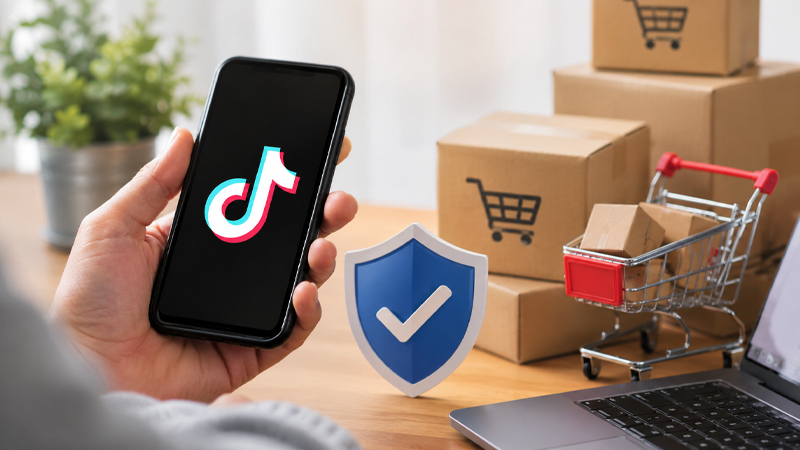
News Desk: TikTok is stepping into the insurance world in a practical way that could make life much simpler for small business owners who sell products through its popular TikTok Shop platform. Through a new partnership with ERGO NEXT Insurance, a digital insurtech company that was previously known as NEXT Insurance and is now backed by the strength of the ERGO Group under Munich Re, merchants can now buy essential business insurance directly inside the TikTok Seller Center without ever leaving the app.
This embedded insurance approach allows sellers to access coverage options such as general liability protection against claims involving bodily injury or property damage from their products or operations, professional liability for errors or negligence in the services or advice they provide, workers’ compensation to support employees who might get injured on the job, and cyber insurance to guard against data breaches, hacking, or other online threats that are increasingly common in e-commerce. The process is designed to be quick and straightforward because it draws on the business information that merchants have already shared in their TikTok Shop profiles, cutting out the need for lengthy paper forms or complicated questionnaires that often discourage small business owners from getting proper coverage.
For many regular small and medium-sized enterprises, or SMEs, getting insurance has traditionally been a hassle involving brokers, multiple quotes, and time away from actually running the business. TikTok’s move addresses this by offering insurance at the exact moment when sellers are setting up their tools or onboarding new features, making protection feel like a natural part of growing an online store rather than an extra chore. According to data from GlobalData’s 2025 SME Survey, around 39 percent of small and medium businesses worldwide have already been offered insurance through similar marketplace platforms, and nearly 49 percent of those who received such offers went ahead and purchased the coverage. This suggests that convenience plays a big role in helping business owners actually follow through on protecting themselves.
Beatriz Benito, a lead insurance analyst at GlobalData, points out that this kind of embedded model lets insurers reach customers right at the point of sale, including many entrepreneurs who might not actively shop around for business insurance on their own. The ease of buying it alongside other platform services often leads to higher conversion rates, and it can also help lower overall costs by reducing marketing expenses and broker fees, potentially resulting in more competitive premiums for sellers.
Beyond the immediate convenience, this partnership highlights a broader shift happening in the insurance industry toward embedding commercial coverage into everyday digital platforms. While embedded insurance first gained traction with simpler personal policies like travel or gadget protection, it is now expanding into more complex business lines despite the added challenges of tailoring coverage to different industries and risk levels. TikTok Shop sellers, who often deal with sudden viral sales spikes, product liability issues from trendy items, supply chain disruptions, or content-related risks from their videos, stand to benefit from protections that feel customized for the fast-paced e-commerce environment.
There are some important nuances and potential drawbacks to consider as well. Not every seller will feel comfortable buying insurance through a social media platform, especially if they have more complicated needs or worry about how claims might be handled when the policy is arranged via an app rather than a dedicated advisor. Larger or more complex businesses may still prefer traditional routes with personalized guidance, and experts like Benito note that widespread adoption among bigger organizations could take longer. There is also the ongoing question of underinsurance among SMEs, where many operate without adequate protection because traditional processes feel overwhelming or expensive. By making coverage more accessible, platforms like TikTok could help close that gap, but it will be important to watch how effectively claims are processed and whether the policies truly meet the unique risks of online merchants.
In practice, TikTok Shop sellers who want to explore this can log into their Seller Center, look for the insurance or finances section, and get a quick quote based on their existing details. Many categories, such as beauty products, supplements, or higher-risk goods, may even require proof of insurance for compliance, so having easy access through the platform could help merchants stay on the right side of the rules while protecting their operations. This development fits into a larger trend where big tech and e-commerce platforms are evolving into one-stop hubs not just for selling but for essential business services, including payments, logistics, and now risk protection.

.jpg)