Insurance is the Solution for the Vulnerable Tannery Industry
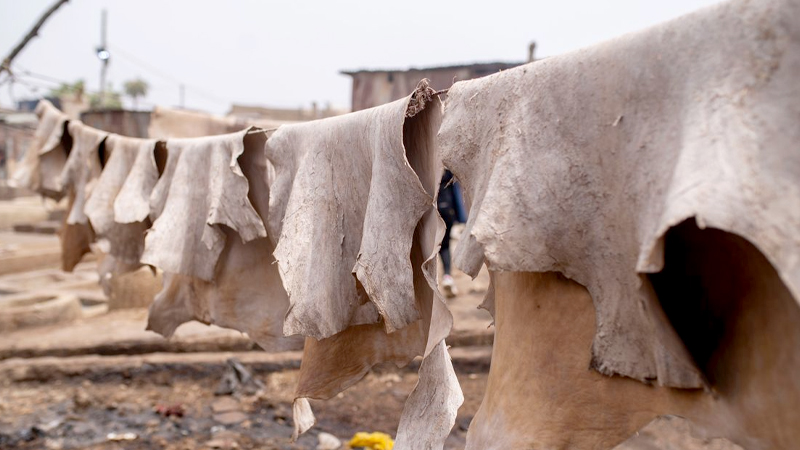
By Staff Correspondent: Insurance has become a vital safeguard for Bangladesh’s tannery industry, an economic pillar that generates significant foreign revenue while facing substantial operational, environmental, and human risks. As one of the country’s key export sectors after ready-made garments, the leather and tannery business processes hundreds of millions of square feet of leather each year, contributing roughly four percent of total exports and sustaining employment for more than 850,000 people directly and indirectly. Yet the sector operates amid intense chemical hazards, machinery dangers, pollution liabilities, and increasing climate vulnerabilities, making comprehensive insurance coverage from property and liability to workers’ compensation and environmental protection essential for its long-term stability, regulatory adherence, and ability to attract international investment.
Tannery operations rely heavily on hazardous substances such as chromium salts, formaldehyde, and various acids to treat raw hides, exposing workers daily to risks of skin diseases, respiratory problems, and other chronic health conditions. Accidents involving outdated machinery frequently result in severe injuries, including limb amputations, particularly in smaller facilities that often lack proper safety training, protective equipment, or modern protocols.
Government efforts to relocate operations to the dedicated Tannery Industrial Estate in Savar included plans for a central effluent treatment plant, but implementation hurdles persist, with reports of incomplete wastewater processing and continued discharges affecting rivers like the Dhaleshwari. Such issues create ongoing financial exposures, where a single major incident such as a chemical spill, fire, flood, or regulatory enforcement action could halt production entirely and impose crippling cleanup or penalty costs.
International buyers in Europe, the United States, and Asia have grown more stringent about environmental and social compliance standards, meaning that failure to meet these expectations can result in lost contracts, trade sanctions, or reputational harm that reverberates across the supply chain. Natural disasters, which Bangladesh experiences with unfortunate regularity due to its geography, add yet another unpredictable layer, threatening infrastructure and raw material stocks.
Despite these clear dangers, insurance adoption within the tannery sector remains notably low. Many small and medium-sized enterprises, which form the backbone of the industry, perceive premiums as avoidable expenses rather than strategic protections, especially when facing tight margins and limited access to formal financing. Workers frequently lack health coverage, accident insurance, or reliable compensation mechanisms, leaving them and their families exposed to financial devastation following injuries or occupational illnesses.
The absence of adequate insurance produces widespread consequences that extend far beyond individual businesses. Injured or chronically ill workers often endure lost wages and mounting medical expenses without support, perpetuating cycles of poverty in already vulnerable communities. For tannery owners, uninsured incidents can lead to bankruptcy, particularly when relocation expenses, equipment upgrades, or pollution-related fines arise unexpectedly.
On a larger scale, weak risk management limits the sector’s access to bank loans and foreign partnerships, slowing modernization efforts and hindering the shift toward higher-value finished leather products instead of lower-margin raw or crust leather exports. This vulnerability also undermines broader economic goals, as the industry aims to expand its contribution to national exports amid Bangladesh’s push toward least developed country graduation and deeper global integration.
From an economic perspective, robust insurance coverage would help protect export earnings and preserve jobs by enabling faster recovery from disruptions and providing reassurance to lenders and investors. Socially, it would offer meaningful protections for a workforce that includes many from disadvantaged backgrounds operating in demanding conditions, aligning with national labor rights initiatives and reducing the long-term societal burden of occupational diseases.
Environmentally, insurance policies tied to compliance measures, such as fully operational effluent treatment facilities and responsible waste handling, could create positive incentives for adopting cleaner technologies, potentially through premium discounts for sustainable practices that lower pollution and community health risks.
Ultimately, insurance represents far more than a routine business expense for Bangladesh’s tanneries. It serves as a strategic foundation for safeguarding lives, livelihoods, environmental health, and economic contributions in a high-stakes industry. By embracing comprehensive coverage, the sector can transition toward safer, more sustainable, and globally competitive operations, reducing exposure to recurring crises and building a more resilient future that benefits workers, businesses, communities, and the national economy as a whole.
Without such measures, the industry risks remaining entangled in patterns of pollution challenges, health burdens, and financial instability that could limit its potential in an increasingly demanding global marketplace.
.jpg)