Insurance is now Hollywood’s Invisible Safety Net
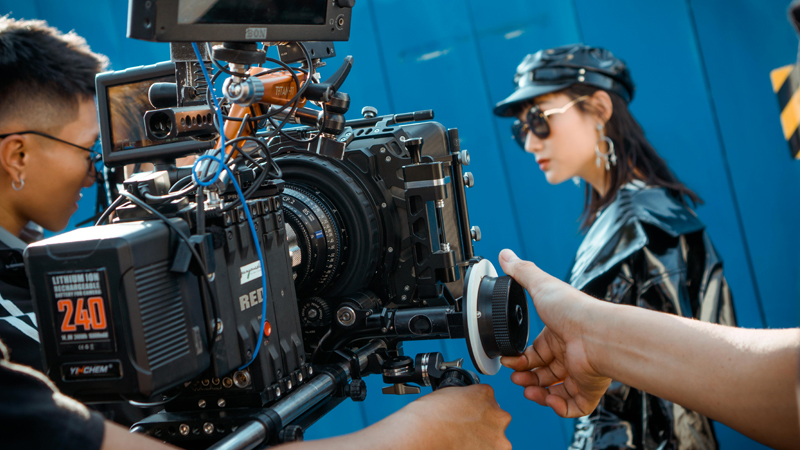
News Desk: In the glittering world of film and television, where multimillion-dollar budgets hinge on tight schedules, unpredictable weather, and the health of high-profile talent, insurance serves as the unsung guardian against financial catastrophe. As productions grow increasingly complex with elaborate stunts, international locations, digital effects, and global supply chains, the insurance industry has evolved into a sophisticated ecosystem tailored to the unique risks of entertainment. Yet behind the scenes, this coverage often determines whether a project reaches the screen or collapses under unforeseen pressures.
The necessity of production insurance stems from the sheer scale and fragility of modern filmmaking. A single day of shooting for a major feature can cost hundreds of thousands of dollars, sometimes exceeding $500,000, making delays from illness, accidents, or equipment failure potentially ruinous. Financiers, studios, and distributors routinely demand comprehensive policies as a condition for funding, viewing insurance not merely as a safeguard but as a prerequisite for greenlighting projects. Without it, even modest independent films risk personal financial devastation for producers, while big-budget blockbusters could jeopardize entire corporate balance sheets.
At the core of most production packages lies a blend of essential coverages. General liability protects against third-party claims for bodily injury or property damage occurring on set, such as a spectator injured by flying debris or a location owner whose premises suffer accidental harm. Workers’ compensation is mandatory in many jurisdictions, shielding productions from lawsuits when crew members are hurt during long hours of physically demanding work. Equipment insurance covers cameras, lighting, and props against theft, damage, or loss, critical in an era when high-end digital gear can run into the millions.
Cast insurance stands out as particularly vital for scripted productions. It reimburses extra expenses if a key actor, director, or producer falls ill, suffers an injury, or worse, allowing the production to hire replacements or extend schedules. This coverage has proven its worth in countless cases, though premiums rise sharply for stars with known health issues or those performing dangerous stunts. Negative film and digital asset insurance protects the footage itself from corruption, loss, or faulty equipment, ensuring that irreplaceable scenes do not vanish into technological oblivion.
Errors and omissions (E&O) insurance addresses risks tied to the content rather than the physical production. It defends against claims of copyright infringement, defamation, libel, or invasion of privacy issues that can emerge years after release when a film garners unexpected attention. In today’s litigious environment, where social media amplifies disputes and intellectual property battles rage over scripts, remakes, and biopics, E&O has become indispensable for distributors seeking clearance for theatrical, streaming, or international releases.
Specialty coverages add further layers for high-risk elements. Productions involving stunts, aerial work, animals, watercraft, or pyrotechnics often require bespoke add-ons, with underwriters meticulously assessing each script for potential hazards. Filming in remote or politically unstable locations demands extra scrutiny, as does the use of vintage vehicles or elaborate sets prone to fire or collapse. Insurers like Chubb, with decades of experience adapting from analog film to digital workflows, emphasize tailored solutions that evolve alongside industry technology.
The costs of these protections vary widely but typically represent around 2 to 3 percent of a project’s budget, though they can climb higher for ambitious or risky endeavors. Short-term policies for smaller shoots might start in the low hundreds of dollars, while annual packages for prolific producers range into the thousands. Premiums factor in location, cast health declarations, crew size, special effects, and even the production’s track record. Despite the expense, industry professionals widely regard it as money well spent, offering peace of mind amid inherent uncertainties.
Recent history has tested the resilience of this system. The COVID-19 pandemic exposed glaring vulnerabilities when widespread shutdowns led to massive claims. Insurers responded by introducing broad communicable disease exclusions, driving up premiums and forcing productions to seek alternative arrangements, sometimes through completion bonds that bundle insurance with guarantees of project delivery. Many sets adopted rigorous health protocols, but the episode underscored how global events can reshape risk landscapes overnight, compelling underwriters to price in emerging threats like pandemics, cyber disruptions to digital workflows, and climate-related weather extremes.
High-profile incidents illustrate both the system’s strengths and limitations. Tom Cruise famously pushed boundaries by switching insurers to secure coverage for his death-defying Burj Khalifa climb in “Mission: Impossible Ghost Protocol,” highlighting how star power and negotiation can overcome seemingly insurmountable hurdles. Other cases involve costly claims from set accidents, weather delays halting outdoor shoots, or post-production errors necessitating expensive reshoots. Yet exclusions remain common; certain extreme risks or pre-existing conditions may void coverage, leaving producers to navigate fine print carefully or self-insure where feasible.
Looking ahead, the insurance landscape for film and television faces continued transformation. Advances in artificial intelligence for visual effects introduce new intellectual property and liability questions. Rising geopolitical tensions and environmental concerns may complicate international shoots. Meanwhile, the entertainment insurance market has expanded to nearly $4 billion annually, reflecting booming production volumes but also heightened risk awareness.

.jpg)