Indian Non-Life Insurance Premiums Rise 8.7% in May 2026, Driven by Robust Health Segment Growth
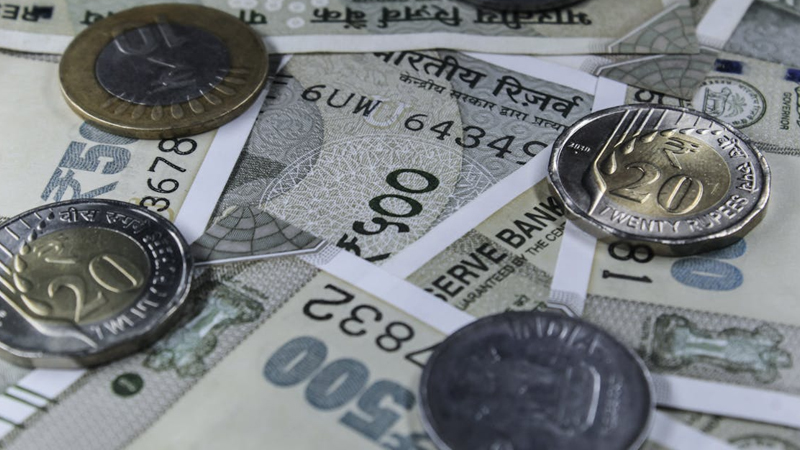
By International Desk: India’s non-life insurance sector continued its steady expansion in May 2026, with gross direct premium underwritten by non-life insurers increasing by approximately 8.7 percent year-on-year to reach ₹24,194.56 crore. This growth, according to provisional data from the General Insurance Council, underscores the sector’s resilience amid evolving economic conditions, rising risk awareness among consumers, and supportive regulatory measures aimed at deepening insurance penetration across the country.
The performance was primarily anchored by strong momentum in the health insurance segment, which has emerged as a key driver for the broader non-life industry in recent years. Standalone health insurance companies recorded an impressive 31.74 percent year-on-year surge in premiums, collecting ₹3,842.41 crore during the month. This reflects heightened demand for comprehensive health coverage, fueled by post-pandemic risk consciousness, increasing healthcare costs, and greater adoption of cashless claim facilities and digital policy issuance platforms.
General insurers, meanwhile, reported a more moderate 5.85 percent rise to ₹20,345.90 crore, highlighting varying dynamics across different player categories.
Among major players, private general insurer ICICI Lombard demonstrated solid performance with an 11.59 percent increase in premiums to ₹2,405.03 crore, benefiting from its diversified product portfolio and strong distribution networks. In contrast, the country’s largest general insurer, New India Assurance, saw a marginal 0.03 percent uptick to ₹2,945.64 crore, indicating some pressure on public sector entities even as the overall market expands. Specialized insurers experienced a sharp contraction, but their small base limits the impact on industry-wide figures.
For the April-May period of the financial year, the trends remained broadly positive though slightly moderated. Non-life premiums grew 6.75 percent overall to ₹59,612.90 crore, with standalone health insurers posting a 34.03 percent jump. This cumulative performance aligns with broader industry expectations of high single-digit growth for the full fiscal year, supported by government initiatives to promote insurance inclusion, product innovation, and technological integration.
The May figures come against a backdrop of sustained structural tailwinds for India’s non-life insurance market. Health insurance has overtaken motor as the dominant segment in recent years, driven by regulatory reforms that have expanded coverage options, reduced waiting periods for pre-existing conditions, and enhanced affordability for senior citizens and lower-income groups.
Motor insurance continues to provide a stable base, supported by mandatory third-party coverage and rising vehicle sales, including electric vehicles that necessitate updated underwriting approaches for battery and related risks. Other lines such as fire, marine, and engineering have benefited from tariff liberalization, allowing better risk-based pricing and customization for corporate clients.
Analysts point to several factors underpinning this growth trajectory. Rising per capita incomes, urbanization, and greater financial literacy have encouraged both retail and group insurance uptake. Digital platforms and insurance aggregators have lowered entry barriers, making policies more accessible and transparent.
At the same time, challenges persist, including medical inflation that pressures claims ratios, competitive pricing in mature segments, and the need for improved loss prevention and claims management to sustain profitability. Regulatory oversight by the Insurance Regulatory and Development Authority of India (IRDAI) continues to focus on policyholder protection, grievance redressal, and fostering innovation while maintaining solvency standards.
This monthly uptick contributes to the non-life sector’s longer-term outlook, with projections indicating continued expansion at a compound annual growth rate in the high single to low double digits over the coming years. As India aspires to become a global insurance hub, sustained premium growth will be critical for enhancing risk transfer mechanisms, supporting economic resilience against natural calamities and health uncertainties, and mobilizing long-term capital for infrastructure and other productive sectors.

.jpg)