Insurance Sector Set to Solve Bangladesh’s Unemployment Challenges
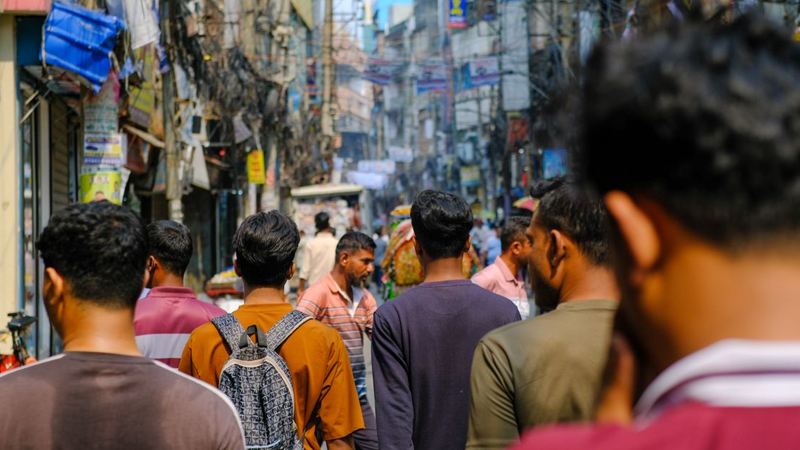
By Staff Correspondent: In the bustling streets of Dhaka and the rural expanses of the countryside, Bangladesh grapples with a persistent yet nuanced unemployment problem that belies its impressive economic growth. With an official unemployment rate hovering around 3.8 percent in 2025, the figures mask deeper issues such as significant youth unemployment nearing 9.4 percent, widespread underemployment, and the vulnerabilities faced by millions in the informal sector. As the country navigates rapid population growth, urbanization, and the impacts of climate change on agriculture and industry, experts are increasingly turning to the insurance sector as a vital engine for job generation and broader economic stabilization.
The insurance industry in Bangladesh, though still relatively small with penetration levels as low as 0.5 percent of GDP, one of the lowest in Asia, holds substantial untapped potential. Currently employing tens of thousands directly in life and non-life segments, alongside hundreds of thousands of agents and associates, the sector has demonstrated steady growth. Life insurance alone has historically supported around 23,000 full-time roles and over 600,000 financial associates, according to various industry analyses. Expanding this footprint could directly absorb a meaningful portion of the labor force, particularly educated youth seeking white-collar opportunities in finance, sales, data analysis, and risk management.
Beyond immediate hiring, the sector’s expansion promises multiplier effects across the economy. A more robust insurance market enables businesses to manage risks effectively, from natural disasters that frequently disrupt garments, agriculture, and small enterprises to health crises and supply chain interruptions. By providing coverage, insurers reduce the financial uncertainty that often deters investment and entrepreneurship. Farmers protected by crop or weather-indexed insurance, for instance, are more likely to invest in productivity-enhancing technologies or expand operations, thereby sustaining or creating seasonal and permanent jobs in rural areas where unemployment and underemployment are most acute. Similarly, microinsurance products tailored for low-income households and micro-entrepreneurs can foster stability, encouraging small business owners to hire additional workers without the paralyzing fear of ruinous losses.
Policymakers and industry leaders have begun exploring innovative intersections between insurance and labor market support. Discussions around unemployment insurance schemes, supported by organizations like the International Labour Organization and local think tanks, highlight the private insurance sector’s role in risk pooling, product design, and efficient claims processing. Private insurers could partner with the government to deliver income protection products, drawing on their expertise in actuarial science and customer outreach. Such collaborations not only create specialized jobs in policy development and administration but also build public trust in financial services, potentially drawing more talent into the field through targeted training programs.
The World Bank’s Bangladesh Insurance Sector Development Project underscores this vision, aiming to increase policyholders significantly and strengthen regulatory oversight to unlock growth. Reforms could include digital innovations that streamline operations, opening avenues for tech-savvy graduates in app development, cybersecurity, and data analytics, areas where Bangladesh’s young population has a comparative advantage. Bancassurance partnerships with banks could further accelerate distribution, creating hybrid roles that blend banking and insurance skills while penetrating underserved markets.
Economists point to broader implications for sustainable development. A thriving insurance industry channels premiums into long-term investments, bolstering the capital markets and funding infrastructure projects that create construction and maintenance jobs. It enhances social protection, reducing the fiscal burden on the state during downturns and allowing resources to flow toward active labor market policies like skills training. In a country where the garment sector dominates formal employment but faces global competition and automation threats, diversified financial services offer a pathway to economic resilience. PwC analyses have noted that a resilient insurance sector can directly contribute to curbing unemployment by promoting growth through liquidity guarantees and risk mitigation.
Industry voices echo this optimism tempered with pragmatism. Representatives from Pragati Insurance have emphasized the need for clear legal frameworks, reliable data, and public-private partnerships to integrate insurance into unemployment protection models. As Bangladesh aspires toward upper-middle-income status, harnessing the insurance sector’s job-creating and stabilizing powers could prove transformative, not merely as a stopgap but as a cornerstone of inclusive prosperity.
.jpg)