Space Startups Initiate Talks with Insurers for Orbital AI Data Centers
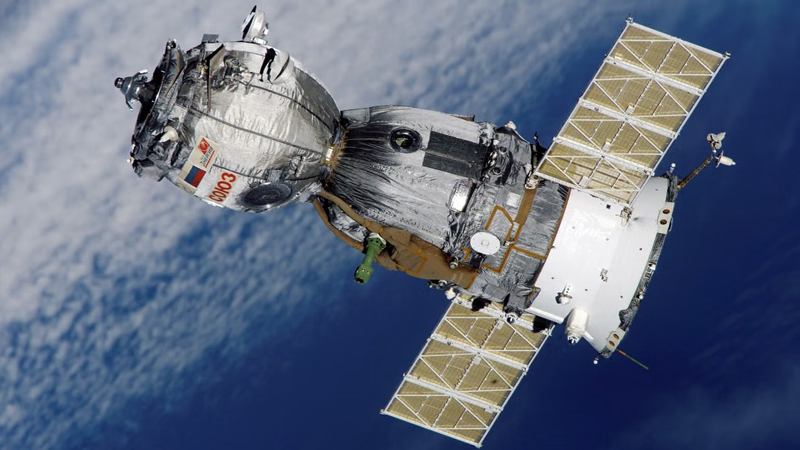
By News Desk: In a development underscoring the accelerating ambitions of the commercial space sector, several startups are engaging with global insurers to explore coverage options for orbital AI data centers, an emerging class of extraterrestrial infrastructure designed to power the next generation of artificial intelligence amid Earth’s mounting constraints on energy, land, and cooling resources.
These preliminary discussions, reported in mid-June 2026, represent an early but critical step toward transforming conceptual satellite-based computing platforms into bankable, scalable realities, particularly as high-profile backers including Elon Musk’s SpaceX and Jeff Bezos’ Blue Origin lend momentum to the field.
The push into orbital data centers stems from practical necessities. Terrestrial AI facilities face severe bottlenecks; surging electricity demands that strain power grids, scarcity of suitable real estate near data transmission hubs, and the environmental challenges of dissipating immense heat generated by dense clusters of graphics processing units and other accelerators.
By relocating computing resources to low Earth orbit, proponents envision facilities leveraging abundant solar power, natural radiative cooling in the vacuum of space, and reduced latency for certain space-based applications, all while bypassing many terrestrial regulatory and infrastructural hurdles.
Startups such as Starcloud, which made headlines by launching an NVIDIA H100 GPU into orbit—alongside Orbital, Lonestar Data Holdings, and Cowboy Space, have publicly signaled intentions to deploy such systems, with some designs targeting multi-gigawatt capabilities.
Securing insurance emerges as a pivotal enabler rather than a mere formality. Without robust coverage for the high-value hardware, launch risks, and in-orbit operations, attracting the substantial debt financing required for deployment and expansion would prove exceedingly difficult.
Industry sources indicate that venture capital has fueled initial prototyping, but scaling demands more traditional capital markets that typically require risk mitigation through insurance.
Broker Marsh has confirmed that multiple companies have approached underwriters to map out potential future coverage structures, while Lonestar Data Holdings recently hosted a briefing at Marsh’s offices for approximately 25 insurers at Lloyd’s of London, focusing less on immediate premiums and more on the feasibility of modeling these novel risks.
Traditional space insurance, which generates roughly $500 million in global premiums annually, already encompasses familiar perils such as launch failures, satellite malfunctions, collisions with orbital debris, and disruptions from solar weather events.
Yet orbital AI data centers introduce complexities that stretch existing frameworks. The extraordinarily high replacement costs of advanced AI silicon, combined with unique exposures like prolonged radiation effects on electronics, thermal management anomalies in microgravity, potential cyber vulnerabilities in space-based networks, and business interruption scenarios from signal loss or debris impacts, lack the extensive historical loss data insurers rely upon for pricing and reserving.
Underwriters note that while satellite insurance has decades of precedent, the integration of dense, high-performance computing clusters orbiting Earth demands fresh approaches to valuation, policy wording, and risk aggregation.
Nuances abound in these early conversations. For space firms, insurance not only de-risks capital raises but also signals credibility to regulators, partners, and customers wary of unproven technology.
From the insurers’ perspective, participation could open a lucrative new asset class sometimes dubbed “orbital silicon” but requires careful navigation of uncertainties around mission longevity, repair feasibility in orbit, and cascading liabilities in an increasingly congested space environment.
Experts like David Wade, a space underwriter at Atrium, emphasize that meaningful market development likely awaits further company maturation beyond venture stages, as debt-financed expansions would heighten insurance needs.
The involvement of SpaceX and Blue Origin adds significant weight, potentially catalyzing standardization and investment. Musk has publicly championed space-based computing as essential for AI’s future, while the ecosystem benefits from reusable launch capabilities that dramatically lower deployment costs compared to earlier eras.
Yet skeptics caution that technical hurdles such as achieving reliable high-speed data relay back to Earth, maintaining computational efficiency in harsh orbital conditions, and ensuring economic viability against rapidly evolving ground-based alternatives could temper near-term proliferation.

.jpg)