Insurance Claims from Nepal Floods Reach $171 Million
.jpg)
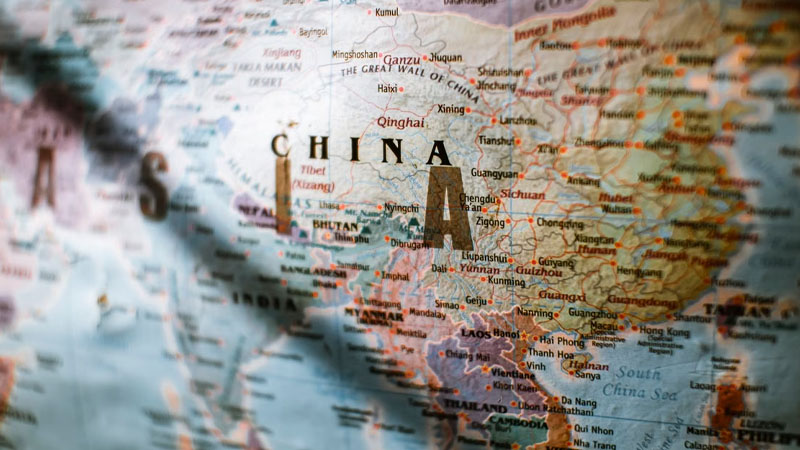
Int’l Insurance Desk: Devastating flash floods that tore through northern Nepal on August 26 have left more than 1,200 people dead and thousands still missing, according to the country’s disaster management authorities. The disaster began when a glacier and rock collapse near the border with China’s Tibet region sent a sudden surge of ice, water, mud and debris racing down the Trishuli River corridor, wiping out communities, roads and critical infrastructure in the Rasuwa and Nuwakot districts.
Officials now put the direct economic damage at roughly $2.56 billion. Early recovery and reconstruction costs are expected to climb higher once a full needs assessment is completed, with some local estimates suggesting the final bill could approach $4 to $5 billion. Homes, bridges, power lines and transport links were among the heaviest losses, while several hydropower plants that supply electricity to the region suffered severe damage to turbines, access roads and supporting structures.
On the insurance side the picture remains incomplete but already substantial. As of the end of August the Nepal Insurance Authority had recorded 583 claims totaling 25.87 billion Nepali rupees, or about $171 million. The bulk of those claims come from engineering and contractors’ all risk policies covering hydropower projects and related construction work. Property, motor and cargo covers make up most of the remainder. Insurers and industry observers say commercial losses alone could settle above $130 million and may edge toward the higher end of current estimates once final surveys are finished.
Because insurance penetration in Nepal remains among the lowest in Asia, domestic companies carry only a limited portion of the risk on their own books. A large share of the commercial claims is expected to be passed on to international reinsurers. Separate claims for life insurance, personal injury and workers’ compensation have yet to be fully lodged and will add another layer of payments once death tolls and injury figures are finalised.
Authorities continue search and recovery operations while beginning the long process of clearing debris and restoring basic services. The scale of the human and economic toll has already prompted calls for improved early warning systems and stronger protective measures around high risk glacial lakes and steep river valleys in the Himalayan region. Reports from Nepal’s National Disaster Risk Reduction and Management Authority and the Nepal Insurance Authority form the basis of the current figures, which remain subject to revision as assessments continue.
.jpg)
.jpg)