Canadian Insurers Face $1.3 Billion Prairie Storm Bill
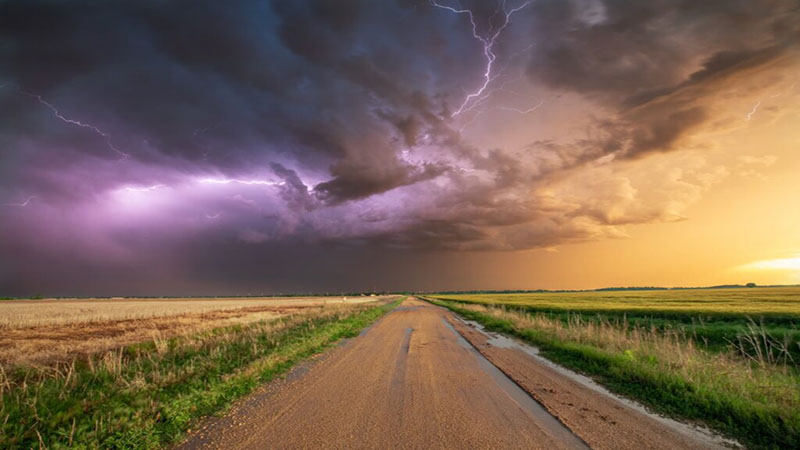
Mashrukh Khan: Insured losses from a series of severe summer storms across Canada’s Prairie provinces have climbed to roughly CAD 1.8 billion, or about $1.3 billion in US dollars, according to the latest figures from Catastrophe Indices and Quantification Inc. The total covers claims payments stemming from ten separate weather events that battered the region during the warmer months.
A substantial portion of the damage traces back to intense storms that struck Saskatchewan and Manitoba between 9 and 10 June. Those two days alone generated around CAD 900 million in insured losses, marking one of the costliest short periods of the season for property insurers operating in the Prairies. Hail, high winds and heavy rain caused widespread damage to homes, farms, vehicles and commercial buildings across both provinces.
When all natural catastrophe events recorded so far this year are added together, the broader insured loss tally for Canada approaches CAD 3 billion. Industry analysts note that the Prairie storms account for a large share of that national figure, underscoring how concentrated severe weather can drive overall claims costs even in a relatively short summer window.
Canadian Underwriter and Business Insurance both reported the CatIQ numbers this week, highlighting the continuing pressure that extreme weather places on the property and casualty sector. Insurers have already begun adjusting reserves and reviewing reinsurance recoveries in light of the elevated claims volume. Policyholders in the hardest hit communities continue to work through the claims process as adjusters assess the full extent of structural and agricultural damage.
The scale of the losses reinforces longer term concerns about climate related volatility in Western Canada, where open landscapes leave properties especially exposed to fast moving convective storms. While the final industry numbers may still shift slightly as remaining claims are settled, the CAD 1.8 billion Prairie total already stands as a significant event for the 2026 catastrophe season.