Venezuela’s Devastating Twin Earthquakes Shake the Insurance Sector
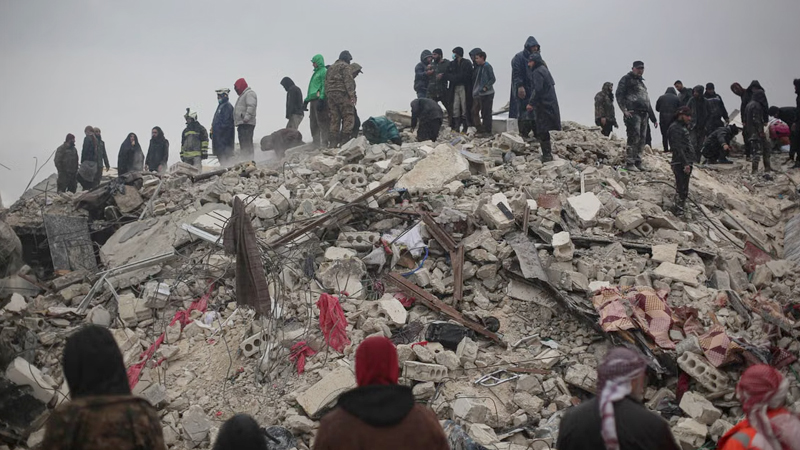
By International Desk: The powerful back-to-back earthquakes that struck Venezuela on June 24, 2026, with magnitudes of 7.2 and 7.5 occurring just seconds apart, have delivered a severe blow to the country’s already fragile insurance industry, triggering a wave of property, casualty, and life insurance claims while highlighting deep vulnerabilities in risk coverage and financial resilience. Acting President Delcy Rodríguez declared a state of emergency as rescuers pulled through rubble in Caracas and coastal regions like La Guaira, where dozens of buildings collapsed and infrastructure suffered extensive damage, compounding the humanitarian crisis in a nation still navigating political transitions and long-term economic challenges.
Early confirmed reports indicate at least 32 deaths and over 700 injuries, though authorities and the United States Geological Survey (USGS) have cautioned that the final toll could climb dramatically into the thousands or even tens of thousands, given the “red alert” for high casualties and widespread destruction issued for the event, the strongest to hit the country in more than a century. Many fatalities occurred in residential areas and urban zones with older or poorly constructed buildings, directly feeding into life insurance payouts. Insurers offering personal accident and life policies are bracing for a surge in death benefit claims, which could strain liquidity in a market where life insurance penetration remains relatively modest but plays a critical role for middle-class families and businesses relying on key person coverage. The human cost extends beyond immediate deaths, with hundreds hospitalized and potential long-term disability claims adding further pressure on health and accident insurance lines.
On the property and casualty side, the earthquakes have exposed significant gaps in coverage. Total economic losses are expected to run into billions of dollars, encompassing collapsed homes, damaged commercial properties, disrupted infrastructure such as the closure of Simón Bolívar International Airport, power outages, and widespread structural failures across northern and central Venezuela. However, insured losses are projected to represent only a fraction of this total due to low insurance penetration, particularly for residential earthquake coverage, which is voluntary and often limited or absent in standard policies. Many affected low-income dwellings and public buildings likely carried little to no seismic protection, leaving the bulk of reconstruction costs to fall on individuals, the government, or international aid.
Commercial and industrial enterprises, especially in sectors like oil and manufacturing, tend to carry more comprehensive earthquake insurance, potentially leading to substantial claims from businesses facing property damage, business interruption, and supply chain disruptions. Reinsurers, both domestic and international, will play a pivotal role in absorbing these losses, but the scale of the event could prompt repricing of Venezuelan risks, higher premiums, or even reduced capacity in future renewals. Venezuela’s insurance sector, already operating in a complex regulatory environment with challenges around sanctions compliance and economic instability, may face solvency tests if claim volumes overwhelm reserves. Historical precedents from regional quakes show that while insured portions are often under 10-20% of total damages in lower-penetration markets, the absolute figures can still run into hundreds of millions, forcing companies to tap reinsurance treaties or seek government backstops.
Beyond immediate claims, the disaster carries broader implications for the sector’s development. It underscores the need for greater promotion of earthquake endorsements and parametric insurance products that could provide faster payouts based on seismic data rather than lengthy assessments. In the wake of the quakes, insurers may accelerate digital claims processing and partnerships with international adjusters to handle the influx efficiently, while regulators could consider incentives or mandatory coverage expansions to close the protection gap. For life insurance providers, the elevated mortality will likely influence actuarial modeling and pricing, particularly as aftershocks continue and secondary hazards like landslides or infrastructure failures add to the toll.
The timing of the earthquakes amplifies their economic ripple effects, arriving against a backdrop of recovery efforts and limited fiscal resources. Insurers may encounter delays in claims settlement due to logistical challenges in devastated areas, power and communication disruptions, and the sheer volume of assessments needed. This could lead to reputational risks if payouts are perceived as slow, prompting calls for industry-wide coordination with the government and humanitarian organizations. On a positive note, the event may spur innovation, such as expanded microinsurance for vulnerable populations or catastrophe bonds to transfer risk to global capital markets, helping build long-term resilience.
As rescue operations persist and full damage assessments unfold in the coming days and weeks, the insurance industry stands at a crossroads. Payouts for confirmed losses will provide critical relief to policyholders, aiding rebuilding and economic stabilization, yet the disproportionate uninsured burden risks deepening inequality and slowing recovery. For Venezuela’s insurers, this disaster serves as a stark reminder of the interplay between natural perils, socioeconomic factors, and market preparedness, likely shaping underwriting practices, product offerings, and regulatory discussions for years to come. The full financial impact remains uncertain, but early signals point to a significant test of the sector’s capacity to support the nation through this tragedy.