Hurricane Lala Triggers First US Coral Reef Insurance Payout
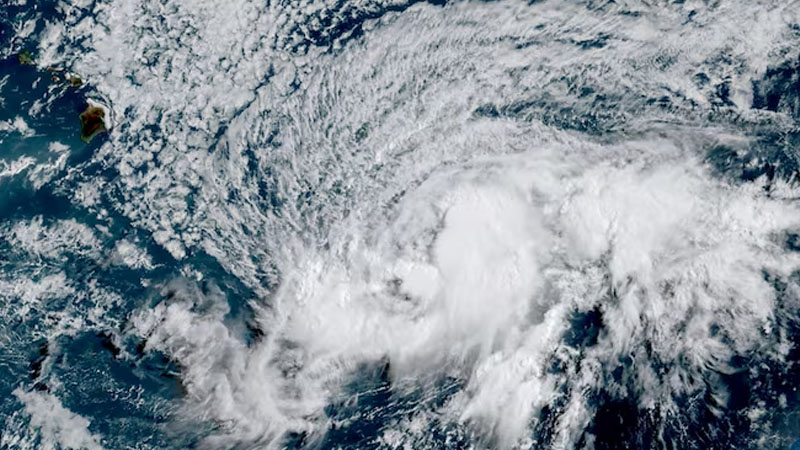
News Desk: Hurricane Lala swept past Hawaii’s Big Island in mid-August as a Category 1 storm, its strongest winds pushing over land even as the eye stayed offshore. In the days that followed, the usual assessments of flooded roads, damaged homes and crop losses began. But something quieter and more unusual also happened. For the first time in the United States, an insurance policy written specifically to protect a coral reef paid out.
The Nature Conservancy confirmed that Lala’s winds met the trigger for its parametric policy with Munich Re. The minimum payment of $200,000 arrived within days. That money is headed to the Hawaiʻi Emergency Reef Restoration Network, a coalition set up to receive and spend the funds. Crews will survey broken coral and start cementing fragments back into place before another storm system arrives.
The policy dates to 2022, when The Nature Conservancy bought the first coverage of its kind for U.S. reefs. It relies on measured wind speed rather than lengthy damage surveys. Once tropical-storm-force winds of at least 50 knots pass close enough to the insured area, payment is automatic. Payouts can scale higher, up to a million dollars per storm and two million over the year, but Lala’s near miss produced the floor amount.
Those reefs do more than host marine life. Along stretches of coastline they act as natural breakwaters, reducing wave energy that would otherwise pound some of Hawaii’s most expensive real estate. When coral is smashed and left unrepaired, that buffer weakens and the properties behind it become more vulnerable to the next storm. The rapid cash allows restoration work to start while the broken pieces are still viable.
Julia Rose, a marine project manager with The Nature Conservancy in Hawaii, noted that the funds arrive long before traditional government grants or claims processes would. The $200,000 will not cover every needed repair, especially with another system approaching, yet it marks a concrete test of the idea that nature itself can be underwritten like any other asset. Insurance Commissioner Scott Saiki has welcomed the approach, saying healthy reefs give meaningful protection to the state’s coastlines and communities.


.jpg)