
Europe Creates Alliance to Boost Climate Risk Insurance
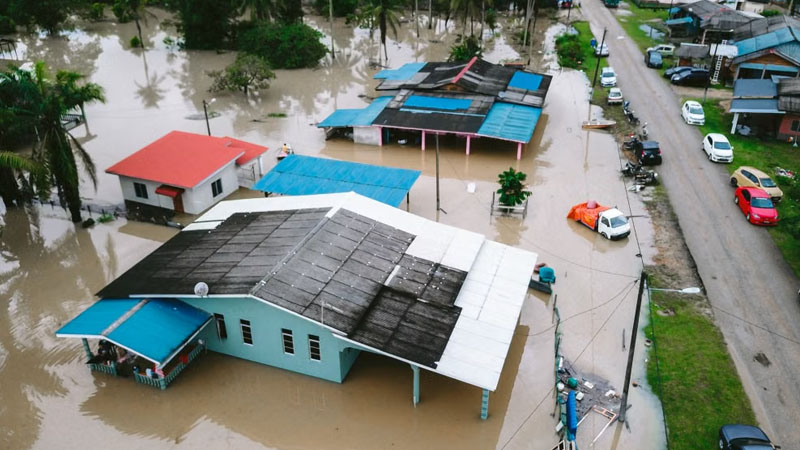
Global Insurance Desk: European Commission President Ursula von der Leyen announced this week that the European Union will create a climate insurance alliance aimed at expanding coverage against extreme weather. The move comes after a summer marked by one of Europe’s worst wildfire seasons on record and successive heatwaves that killed dozens of people, disrupted power supplies and cut into productivity across the continent.
Europe has been warming faster than any other continent, at roughly twice the global average rate. Official figures show that only about a quarter of the economic losses linked to climate events in the bloc are currently insured, leaving national budgets to act as the insurer of last resort far too often. Von der Leyen told the European Parliament that action is needed to close that gap.
The new alliance will bring together insurers, investors, risk modelers, public authorities and those seeking coverage. Its goal is to raise the overall take-up of insurance and to identify practical tools that can lower risk. Among the approaches under consideration are group insurance schemes and parametric products, which trigger automatic payouts once agreed thresholds such as rainfall levels or temperatures are crossed.
The announcement forms part of a wider set of measures the Commission is preparing. A climate resilience strategy is due in October and will look at managing risks in 100 vulnerable European territories. Separate plans are also in the works to improve early-warning systems for heatwaves and to strengthen drought management through a new EU water strategy. Senior firefighters have been asked to propose better ways of handling wildfires, including the possible creation of a dedicated European firefighting fleet.
The initiative reflects growing recognition that Europe has moved more slowly on climate adaptation than on cutting emissions.
Independent advisers warned earlier this year that the continent was underinvesting in measures that would limit damage, from better land-use planning to urban design that helps people stay cool during extreme heat. Von der Leyen stressed the need to step up preparedness dramatically.
Details of how the alliance will operate and how quickly it can increase coverage remain to be worked out. For now the signal from Brussels is clear: after a summer of fires and heat that tested communities and infrastructure, the EU intends to treat insurance as a central part of its response to a changing climate.
.jpeg)
.jpg)
.jpg)