
Insurers Question Intensity of Bank of England Stress Test
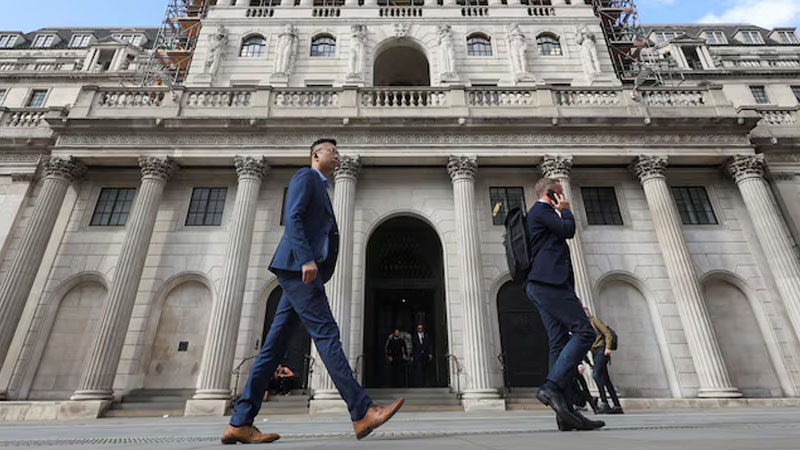
Int’l Insurance Desk: Britain’s insurance industry is pressing the Prudential Regulation Authority to rethink the design of its first dynamic general insurance stress test after the exercise left many firms stretched to their limits.
The test, known as DyGIST, ran for three weeks in May and required participating companies to respond in real time to a rapid sequence of unfolding crises.
Unlike traditional stress tests that give firms a set of predefined shocks to model in advance, this exercise revealed scenario details only as events developed.
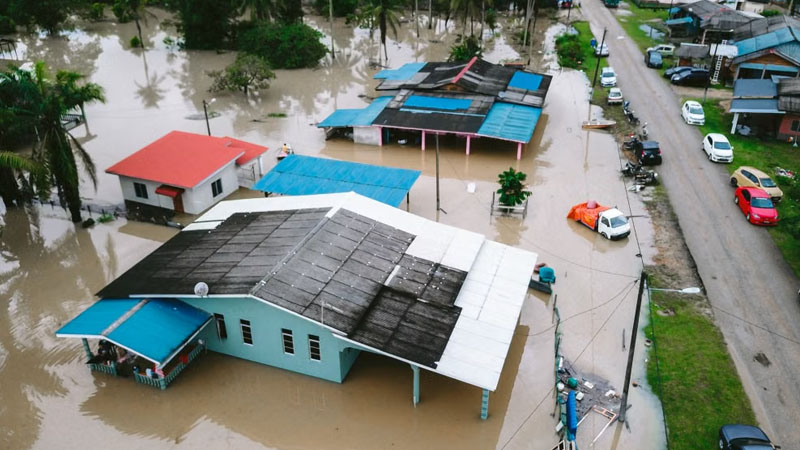
Insurers faced a U.S. West Coast earthquake, a Gulf of Mexico hurricane, a major UK windstorm, flooding across parts of Europe and a significant cyber incident, one after another. The PRA selected firms representing roughly 80 percent of the UK general insurance market, making the exercise part of its formal supervisory programme rather than a voluntary industry drill.
Participants have told the regulator that the combination of intensity, unpredictability and heavy reporting demands placed unusual strain on internal resources. Some companies cancelled staff leave and brought in technical specialists at short notice simply to keep pace with the successive scenarios.
Industry voices have described the overall burden as excessive and questioned whether certain elements of the test were realistic enough to yield useful insights.
The Prudential Regulation Authority has said the exercise was intended to examine how the sector responds dynamically when shocks arrive over time rather than all at once.
Officials plan to publish aggregate findings before the end of the year and have indicated they will consider feedback on resourcing and proportionality when deciding whether or how to run a similar test in future. Several market observers now expect the next version, if there is one, to look quite different.
For the moment the debate continues between supervisors who see value in testing real-time resilience and insurers who argue the first attempt went further than necessary.
.jpeg)
.jpg)
.jpg)