Modelers Place Hurricane Isaias Losses Between One and Four Billion Dollars
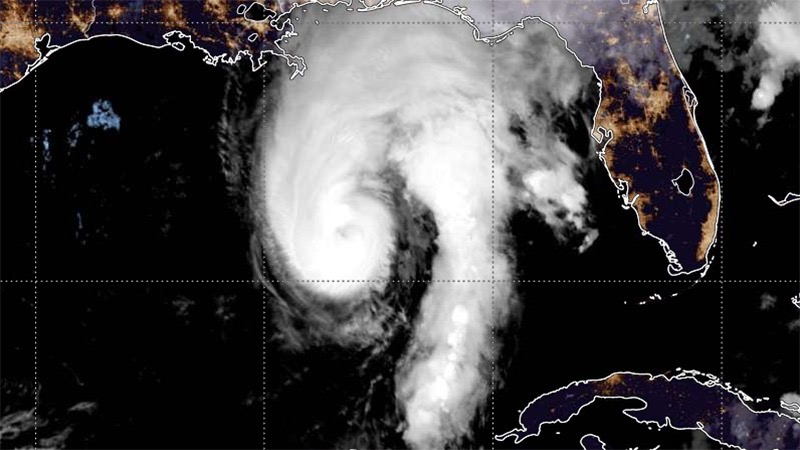
Mashrukh Khan: Hurricane Isaias came ashore near Destin on the Florida Panhandle on the evening of October 9 as a Category 2 storm packing sustained winds of 105 mph. The system had briefly reached major hurricane strength over the warm Gulf waters earlier that day before shear weakened it ahead of landfall.
Early industry loss estimates from the major catastrophe modeling firms have settled in the low single digit billions of dollars. Karen Clark and Company put privately insured losses from wind and storm surge at about three billion dollars, covering residential, commercial and industrial property along with automobiles and business interruption but excluding National Flood Insurance Program claims. Moody’s RMS offered a range of 2.5 to 4.5 billion dollars with a best estimate of 3.5 billion, including some inland flooding and NFIP exposure. Verisk’s initial figure came in lower at one to two billion dollars for onshore property, while Cotality estimated two to three billion for wind and surge.
Most of the damage was driven by wind rather than surge or flooding. Reports noted significant structural impacts west of the landfall point, particularly in Santa Rosa and Escambia counties, where roofs were torn off buildings and trees caused widespread secondary damage. Power outages affected hundreds of thousands of customers across the Panhandle and into neighboring states.
AM Best described the storm as likely to prove an earnings event for the industry rather than a capital event, given the relatively contained footprint and the manageable size of the loss estimates compared with larger historical hurricanes. Gallagher Re similarly indicated that Isaias is unlikely to influence the upcoming January 1 reinsurance renewals in any meaningful way.
The event arrives after an unusually quiet stretch of the Atlantic season and at a moment when many carriers have already reported solid underwriting results for the year. While the final tallies will take weeks to firm up as claims are adjusted and reported, the consensus so far points to a significant but digestible hit for the property market rather than a market-shifting catastrophe.