Bangladesh’s Mismanaged Banks Casting a Dark Shadow over the Insurance Industry
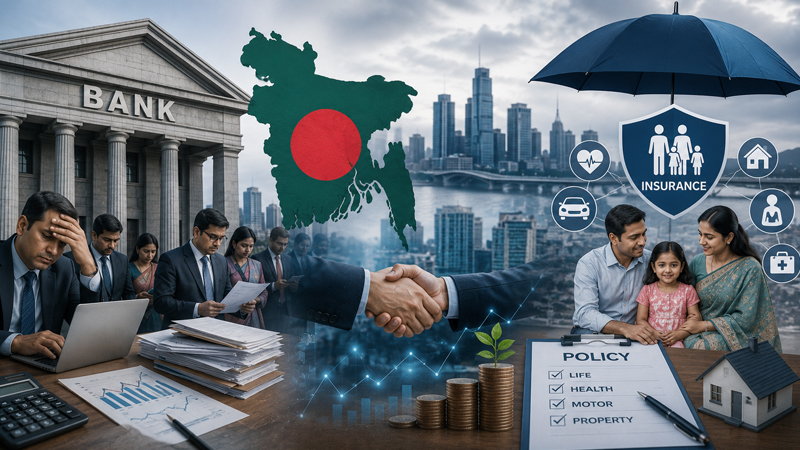
Staff Correspondent: In recent months, worrying headlines about Bangladesh’s banks have become all too common. With non-performing loans or bad debts climbing to around 35–36% of total lending by late 2025, many banks are struggling with weak capital bases, tight liquidity, and eroded public trust. This is not just a problem for depositors and borrowers. It ripples through the entire economy, hitting everyday people and other parts of the financial world, including the insurance sector, which is already facing its own serious troubles.
For ordinary Bangladeshis, banks are where salaries are deposited, small businesses get loans, and savings grow. When banks pull back on lending because too many old loans have gone bad, businesses find it harder to expand, factories slow down, and jobs become scarcer. This slowdown means families have less money to spend on things like insurance policies for life, health, crops, or property. Insurance works best when the economy is stable and growing, and people feel secure enough to pay regular premiums for protection against future risks. Right now, that confidence is shaky.
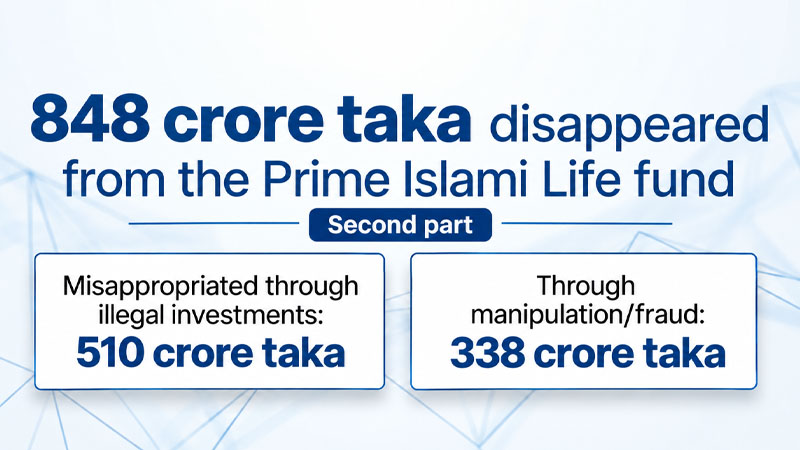
The insurance industry in Bangladesh is small to begin with. Many companies are battling their own issues like low claim settlement rates (sometimes as low as 10–34% in recent periods), huge backlogs of unpaid claims, and past scandals where funds were misused. The banking crisis makes these problems worse in several practical ways.
First, insurance companies invest a big portion of the premiums they collect. They often put money into government securities, bank deposits, or even shares. When banks are weak and the government is borrowing heavily from them to stay afloat, returns on these investments can suffer or become riskier. Poor investment performance means insurers have less money available to pay claims promptly or grow their business. Liquidity squeezes in the banking system can also make it harder for insurers to access funds quickly when needed.
Second, the broader loss of trust in the financial system affects insurance directly. People who hear stories of bank troubles or see restrictions on withdrawals may decide to hold onto their cash rather than buy or renew insurance policies. This has already contributed to policy lapses and fewer new customers. In tough economic times marked by high inflation and slow growth, families cut back on “future protection” spending to cover daily needs. As a result, the number of active policies has declined in recent years even as the population grows.
Third, many businesses that buy insurance, such as factories needing fire or machinery coverage, or farmers seeking crop protection, rely on bank loans to operate and expand. When credit is tight, these businesses shrink or delay investments, reducing demand for insurance products. This creates a vicious cycle: weaker banks lead to a weaker economy, which hurts both sectors.
Experts note that the two sectors are deeply linked. Banks dominate Bangladesh’s financial system (holding about 88% of assets), so their troubles overshadow everything else. Insurance companies, regulated separately by the Insurance Development and Regulatory Authority (IDRA), have not seen the same level of reform attention as banks despite their own governance scandals and liquidity strains. Some analysts argue this lack of coordinated fixes across banking, insurance, and capital markets is missing a chance to build real resilience.
On the brighter side, Bangladesh Bank have started cleaning up banks through asset reviews, mergers of weak institutions, and efforts to recover bad loans. If these steps restore lending capacity and confidence over time, the economy could pick up, creating more room for insurance growth. Products like health, agricultural, or micro-insurance could help millions of ordinary people weather floods, illnesses, or business setbacks—especially important in a climate-vulnerable country. But success depends on fixing root problems like poor governance and low public awareness in both sectors.
The banking woes serve as a stark reminder of how interconnected finance really is. A family worried about a bank’s stability might skip that life insurance premium. A small trader unable to get a loan might exclude shop insurance. These individual choices add up, keeping the insurance industry underdeveloped and leaving many Bangladeshis exposed to risks without a safety net.
Addressing the bank crisis thoroughly, while tackling insurance’s parallel challenges, will be key to building a financial system that truly supports people and long-term growth. Ordinary citizens deserve reliable institutions they can trust with both their savings today and their protection for tomorrow.
.jpg)