Climate Coverage Withdrawals Shift Losses to Governments
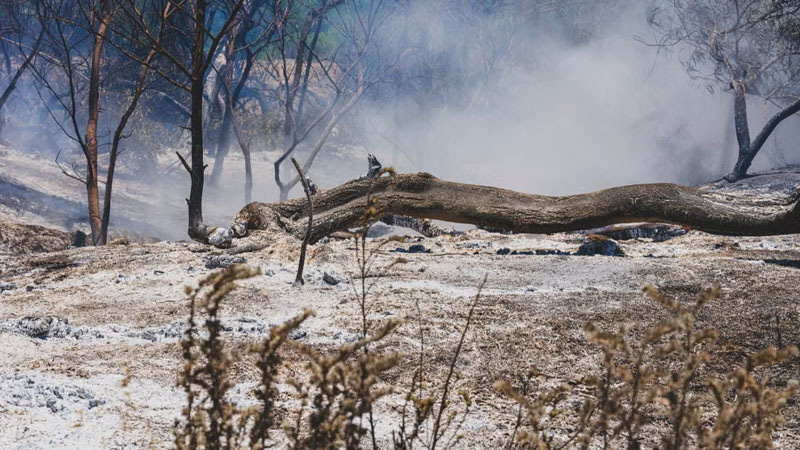
Insurance News Desk: Insurers across major markets are quietly pulling back from covering properties most exposed to climate risks, leaving governments and individual homeowners to absorb more of the financial fallout according to a new report from the UK nonprofit Inside Track. The findings, paint a picture of an industry recalibrating its appetite for flood, wildfire and extreme weather exposures that once formed the backbone of standard property policies.
The report notes that carriers are not only raising premiums or adding stricter exclusions but in some cases refusing to renew coverage altogether in high-risk zones. Losses that would previously have been shared through traditional insurance mechanisms are increasingly landing on public balance sheets or directly on households forced to self-insure or rely on limited government disaster funds.
This shift has already drawn sharp comments from senior industry figures. Last month Aviva chief executive Amanda Blanc warned that homes under construction in the United Kingdom today could prove uninsurable because of escalating flood threats. Günther Thallinger, a director at Allianz, has gone further, suggesting that whole regions may soon sit outside the reach of private insurance markets as climate patterns intensify.
What makes the Inside Track analysis particularly sobering is its emphasis on the cumulative effect. Each withdrawn policy or narrowed coverage term compounds the protection gap, raising the likelihood that taxpayers will underwrite recovery costs after the next major storm or heatwave. Homeowners in affected areas face higher out-of-pocket expenses, reduced property values and, in the most severe cases, difficulty securing mortgages when lenders demand proof of adequate insurance.
Regulators and policymakers are beginning to confront the same dilemma: how to keep markets functioning without creating permanent public liabilities or pricing ordinary families out of coverage entirely.
The Bloomberg piece underscores that these concerns are no longer confined to academic forecasts or isolated coastal communities. They have entered mainstream industry discourse and are shaping underwriting strategies at some of the world’s largest carriers.
Whether the response will involve greater public-private risk sharing expanded parametric products or further regulatory intervention remains an open question. What is already clear is that the traditional model of private insurance absorbing climate volatility is under growing strain, and the costs are starting to migrate outward.