
South Korea Proposes New Emergency Resolution System for Troubled Insurers
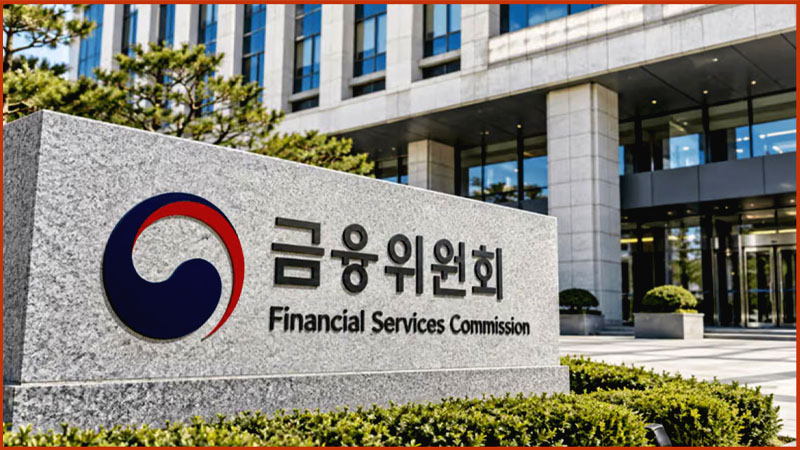
Insurance News BD Desk: South Korea has proposed cutting the time needed to close, restructure or transfer troubled insurers from around 150 days to just three or four days under a new emergency resolution system. The move aims to prevent financial problems from spreading between institutions and protect policyholders.
The Financial Services Commission (FSC) announced the proposal on October 29. The rules would cover insurers, certain banks and other financial institutions, but exclude reinsurers.
Under the current system, authorities must follow several procedures, including advance notices, hearings and regulatory approvals, before taking action against troubled institutions. The proposal would allow some of these requirements to be waived in emergencies.
A government review of mergers, which can take up to 90 days, could also be waived. Authorities could arrange transfers without competitive bidding. Initial assessments of a company's assets and liabilities would be completed within one or two days, followed by a more detailed review.
The emergency measures would apply only when an institution has failed or is at risk of failure, its problems threaten wider financial stability, and existing procedures cannot adequately address the crisis. At least two-thirds of FSC members would need to approve the decision.
Regulators could then suspend operations, appoint an administrator, transfer insurance policies to another company, reduce capital or revoke a business licence. The proposal does not fully explain how outstanding insurance claims and other payments owed to policyholders would be settled.
The proposal also includes safeguards for shareholders and creditors. If they suffer greater losses under the emergency measures than they would under normal liquidation, they would be entitled to compensation for the difference. An independent assessment would determine the amount, which would be paid from South Korea's deposit insurance fund.
MG Non-Life Insurance provides an example of delays in resolving problems at troubled insurers. The company was declared financially unsound in 2022, but several attempts to sell it failed.
In September 2025, authorities decided to transfer policies covering about 1.22 million customers to a temporary insurance company. The arrangement was designed to maintain existing policy terms, insurance coverage and claims payments.
The new system would require amendments to two laws covering financial institution restructuring and depositor protection. Public consultation began on November 2 and will continue until December 14. After reviewing feedback and obtaining the necessary approvals, the government plans to submit the amendments to the National Assembly.
Authorities would also be required to report to a parliamentary committee within six months of taking emergency resolution measures.
Bangladesh's Insurance Act, 2010 also allows insurance businesses to be merged or transferred. The Insurance Development and Regulatory Authority (IDRA) can suspend an insurer's board and appoint an administrator when policyholders' interests are at risk, after giving the insurer an opportunity to present its case.
The administrator can recommend whether the company should continue operating, transfer its business or be wound up. However, the Insurance Act, 2010 does not provide for a special three-to-four-day emergency resolution process similar to the one proposed in South Korea.
.jpg)

.jpg)