
Insurance AI Tools Struggle with Deepfake Detection
Staff Correspondent: Insurers around the world are rolling out artificial intelligence tools at a quickening pace, using them to speed up underwriting decisions, process claims and detect anomalies in vast data sets. Yet a growing number of industry observers warn that the technology is outrunning the controls needed to verify the information it relies on, creating what some describe as a verification gap that could open the door to sophisticated fraud.
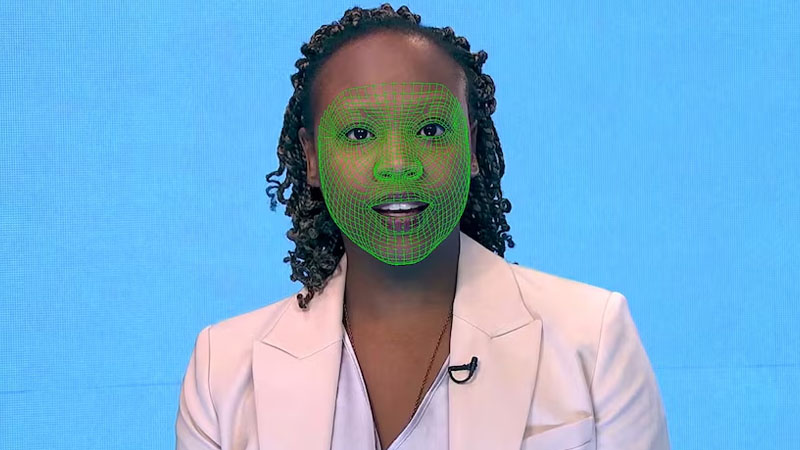
The concern centres on synthetic media, including deepfake images, audio and video, as well as AI-generated documents that can appear authentic. In claims handling, for example, an adjuster might receive photographs of damaged property or medical records that look genuine but have been fabricated. In underwriting, applicants could submit altered identity documents or staged risk assessments. Because many AI systems are trained to recognise patterns rather than independently confirm authenticity, they can process these materials without flagging them as suspicious.
Recent commentary from industry analysts and technology specialists notes that adoption has accelerated in the past two years as carriers seek efficiency gains and competitive edges. Automated underwriting platforms now review applications in minutes, while claims chatbots and image recognition tools handle routine cases that once required human staff. The same systems, however, often lack robust secondary checks for content that was never captured by a real camera or signed by a real person.
The gap matters because fraud losses already run into the billions each year across global insurance markets. Synthetic media raises the stakes by lowering the cost and increasing the realism of false claims. Insurers that lean too heavily on AI without investing in verification layers, such as digital provenance tools, multi-source cross-checks or human review protocols for high-value cases, risk paying out on fabricated losses or pricing policies on incomplete data.
Some carriers have begun addressing the issue by pairing AI models with watermark detection software, blockchain-based audit trails and specialised fraud teams trained to spot generative artefacts. Others are calling for industry-wide standards on data authenticity before automated systems are allowed to make final decisions. Regulators in several jurisdictions are also watching closely, mindful that consumer trust depends on the integrity of the claims and underwriting process.
The tension between speed and certainty is likely to shape AI strategy discussions for the rest of the year. While the technology continues to deliver measurable gains in processing times and cost control, the verification shortfall remains an open challenge that insurers cannot afford to ignore. Coverage of the issue has appeared in recent insurtech briefings and market analyses that track the rapid but uneven integration of artificial intelligence across the sector.



.jpg)
