Insurers Face New Questions over Tesla Flying Roadster
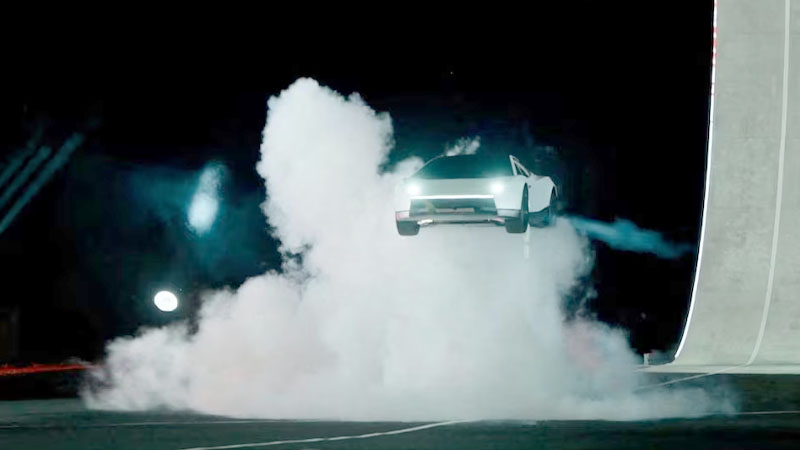
Global Insurance Desk: Tesla’s newly unveiled Roadster has sparked fresh questions about how insurers might cover a vehicle that can leave the ground. At a demonstration this week at a SpaceX facility in Texas, the company showed a version of the long delayed sports car using cold gas thrusters to perform short hops, flips and jumps over other vehicles. Production is targeted for 2028, and Elon Musk described the technology as the result of collaboration between the world’s best car company and the world’s best rocket company, according to Elon Musk’s personal X account.
The demonstration has already prompted industry observers to examine the insurance challenges. Standard auto policies are written for vehicles that stay on the road. Once a car begins operating in the air, even briefly, coverage questions multiply. Liability for damage or injury caused during a hop or flip would likely fall outside conventional motor insurance. Insurers would need to determine whether the risk belongs under auto policies, aviation products or an entirely new hybrid form of cover. Compressed gas systems also introduce explosion and high pressure risks that underwriters have little historical data to price.
Regulatory classification will heavily influence the insurance approach. The Federal Aviation Administration has indicated in one statement that the vehicle does not currently meet its definition of an aircraft, yet aviation experts note that any machine leaving the surface of the earth typically triggers FAA oversight and could require pilot style licensing for operators.
Until regulators clarify the rules, insurers will struggle to define acceptable use, training requirements and exclusions. Some specialists have already suggested that early coverage, if available at all, would be limited, expensive and restricted to controlled private property rather than public roads or open airspace.
For now the practical path appears to involve specialized policies that combine elements of high performance auto insurance with limited aviation liability. Premiums would almost certainly reflect the novelty of the technology, the lack of claims history and the potential severity of an airborne incident.
Tesla itself has not outlined any insurance partnerships or recommended products. As the Roadster moves closer to production, the insurance industry will need to decide whether it can adapt existing frameworks or must create entirely new ones to match a vehicle that blurs the line between car and aircraft.