Bangladesh RMG Sector Eyes Low-Cost Digital Nano Insurance Model for Workers
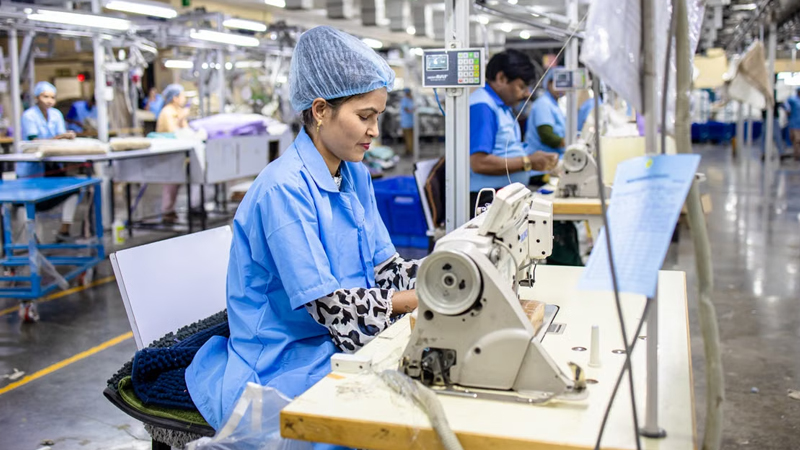
Staff Correspondent: Bangladesh’s ready-made garment (RMG) industry is exploring a low-cost digital nano insurance model aimed at strengthening financial protection for millions of workers in the sector. The initiative is being discussed as a new form of social safety net designed specifically for low-income people who remain largely outside insurance coverage.
Bangladesh is the world’s second-largest clothing exporter, earning between $39.35 billion and $48 billion in recent years. The sector contributes approximately 80 to 85 percent of the country’s total export earnings and employs about 40 to 44 lakh workers, a good number of whom are women. Although vital to the economy, the workforce is extremely exposed to financial shock.
Economists say the RMG sector accounts for about 10 to 13 percent of Bangladesh’s gross domestic product (GDP). It is also a major source of employment, with every $1 billion of exports generating between 80,000 and 100,000 jobs. But this labour-intensive structure also exposes workers to substantial risks in the absence of sound social protection systems.
Insurance penetration in Bangladesh is still very low. Life insurance penetration, according to the global financial inclusion data, is only around 04 to 0.5 percent, well below the global average. As a result, a large number of the workforce stays out of proper financial protection mechanisms.
The proposed nano insurance model focuses on ultra-low premium coverage with essential benefits like accident protection, hospitalisation support, and partial life coverage and income compensation. The model is designed to be simple, digital-first and accessible through mobile platforms.
Experts say that the integration with mobile financial services (MFS) might be a major driver of success. Bangladesh already has widespread mobile banking penetration, which provides a strong base for scaling up digital insurance solutions. Premiums are automatically deducted from wages or mobile wallets and claims can be processed quickly through mobile apps.
This model with the increasing trend of ‘embedded financial protection’ where insurance is made into everyday financial transactions. This approach may reduce barriers and improve efficiency in delivery of benefits to workers.
The RMG industry is widely considered a high-risk industry due to long working hours, machinery-related hazards and fire risks. The Rana Plaza collapse in 2013, which claimed 1,134 lives, remains a tragic reminder of workplace safety challenges in the sector.
In Bangladesh, early digital microinsurance initiatives have already been introduced by several organisations. The mobile insurance platform associated with Grameenphone has offered low-cost life and accident coverage through mobile-based subscriptions. Similar services have also been explored by mobile operators such as Robi and Banglalink.
In the private insurance sector, companies like MetLife Bangladesh and Guardian Life Insurance Limited have launched digital and group-based microinsurance products targeting low-income groups, small entrepreneurs, and partially garment workers. Development organizations such as BRAC have also contributed through microfinance-linked protection programs.
Despite these developments, challenges remain. Low awareness about insurance, lack of trust, limited digital literacy, and the need for a stronger regulatory framework continue to slow down adoption.
Experts say that coordinated action between the government, insurance companies, and fintech providers could help transform the system. If implemented effectively, a nano insurance model could become a major step toward building a more inclusive and resilient financial protection system for Bangladesh’s garment workers.
.jpg)