BRICS Leaders Eye Self-Reliant Insurance Ecosystem
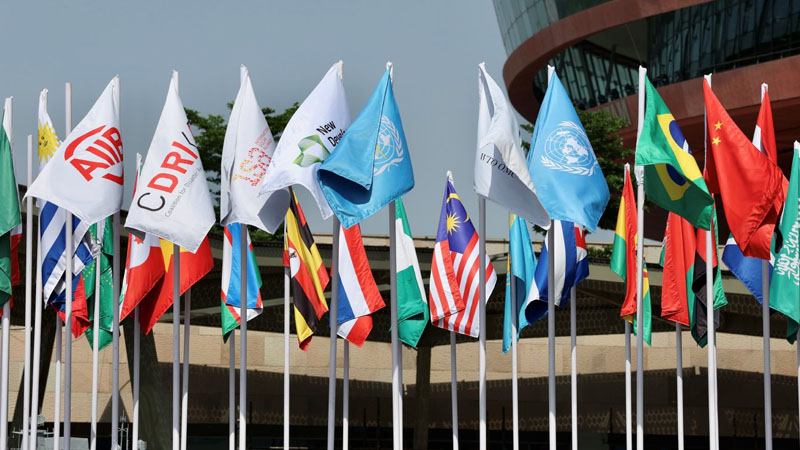
Int’l Insurance Desk: Leaders at the 18th BRICS Summit in New Delhi wrapped up their meetings this past weekend with several proposals aimed at strengthening insurance and reinsurance capacity across the bloc.
Russian President Vladimir Putin used the closing session to call for a new insurance mechanism that would sit outside Western-controlled systems, pairing the idea with a collaborative grain market initiative. He told fellow leaders that BRICS countries already move capital, labour and technology through independent channels and can keep operating regardless of outside pressure.
The insurance plan and grain market were presented as Russian proposals open for other members to adopt, though Putin gave no details on how either would be structured, funded or launched.
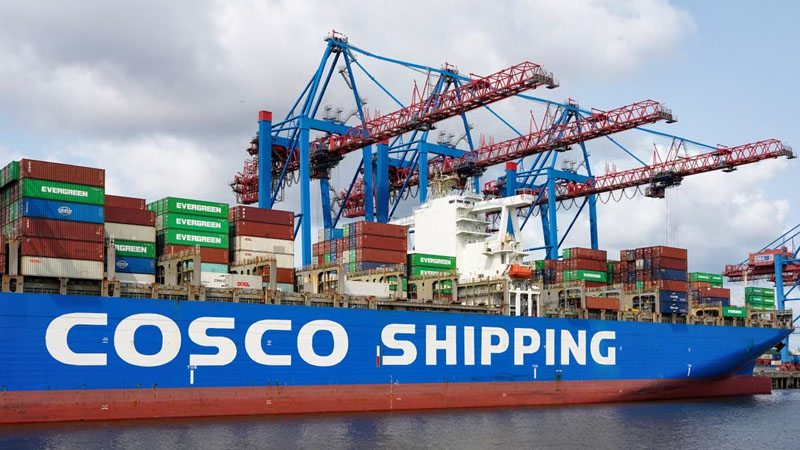
The move comes against the backdrop of Western sanctions that have restricted traditional insurance for Russian crude and grain shipments. Price-cap rules have barred many Western insurers and P&I clubs from covering certain cargoes, driving up costs and complicating exports. Analysts noted that any BRICS-backed alternative could eventually draw on existing Russian state reinsurance arrangements that already handle some sanctioned risks.
The summit’s formal New Delhi Declaration went further by recognising the need for a more self-reliant BRICS insurance ecosystem to support trade among members and bolster financial resilience.
Leaders welcomed continued talks on a BRICS Insurance Resilience Centre as a voluntary shared platform that could develop common risk models, exchange best practices and build specialist skills.
India floated the idea of hosting a BRICS Risk Lab at the GIFT City International Financial Services Centre in Gujarat, and members expressed interest in taking the discussions forward. The lab would be open to interested countries and focus on risk assessment and insurance capabilities, with further conversations expected on expanding overall reinsurance capacity through voluntary participation by regulators and companies from across the bloc.
Iranian President Masoud Pezeshkian added another layer during related sessions, proposing a BRICS reinsurance company capitalised at around 10 billion dollars and initially aimed at covering major infrastructure and energy projects. The suggestion aligns with the declaration’s emphasis on collective capacity but, like Putin’s proposal, remains at the conceptual stage.
Taken as a whole, the insurance elements of the New Delhi meetings signal a clear interest in reducing reliance on Western markets for trade-related cover. The language stays cautious, stressing voluntary steps and ongoing technical work rather than immediate creation of new institutions.
Precedents such as the New Development Bank show that such initiatives often take years to move from declaration to practical operation. For the global insurance sector the discussions raise the prospect of alternative capacity eventually appearing for marine, cargo and project risks within the BRICS sphere, though any concrete impact will depend on follow-up commitments of capital and expertise.

.jpg)