Insurers Face Major Uncertainty Following 10 Billion Dollar Venezuelan Earthquake Losses
Int’l Desk: The powerful earthquakes that rattled Venezuela late last month have left a trail of destruction that’s still being tallied, and analysts are warning that the financial hit could climb well above ten billion dollars in total economic losses. According to risk modeling experts at Verisk, whose Catastrophe and Risk Solutions group closely tracks these kinds of events around the world, the June 24 quakes are shaping up to be one of the most significant disasters in the country’s modern history, though pinning down exactly how much of that burden will fall on insurers remains tricky at best.
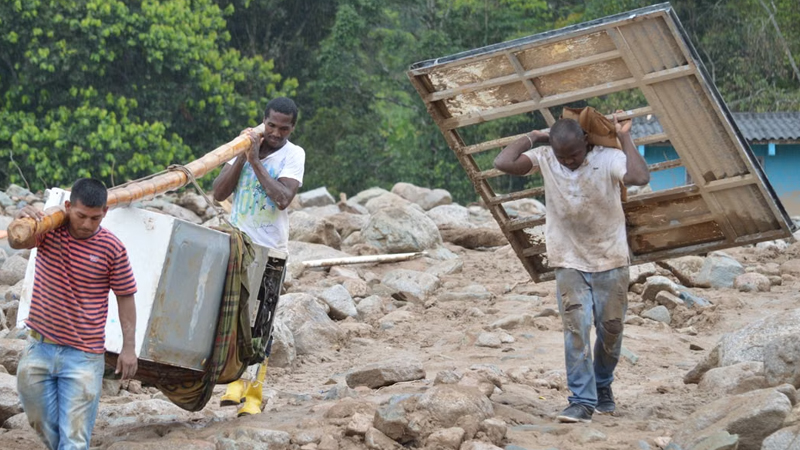
What started as a magnitude 7.2 foreshock near Yumare-Morón in Yaracuy state, about a hundred miles west of Caracas, was followed almost immediately by a massive 7.5 mainshock just seconds later. It was the strongest tremor to strike Venezuela since the early 1900s, shaking buildings from the capital region down through coastal areas and leaving communities like Puerto Cabello, Valencia, and Petare reeling. Reports from the ground paint a grim picture, with thousands confirmed dead, many more missing, and tens of thousands displaced or homeless as rescue efforts continue. The United Nations has even stepped in with contingency plans for rising casualties, procuring body bags in anticipation of further grim discoveries.
Verisk pointed out that while the raw economic toll from destroyed homes, infrastructure, and businesses is expected to surpass that ten billion dollar mark, translating those figures into insured losses is anything but straightforward. The firm highlighted how Venezuela’s unique challenges play into this uncertainty, everything from sky-high inflation and currency swings to chronically low insurance penetration rates and the complications brought on by international sanctions. These factors make it hard to gauge just how many properties were actually covered, what their true values were in such a volatile economy, and whether reinsurance capacity will flow smoothly when claims start pouring in. In their assessment, Verisk noted that modeled estimates don’t even account for secondary effects like fires after the quake, landslides, or damage to uninsured public infrastructure, which could push the overall impact even higher.
It’s a sobering reminder of how natural disasters hit differently in emerging markets, where building codes might exist on paper but enforcement varies, and where most residents rely on informal housing that offers little protection. Reinforced masonry and concrete structures in urban centers like Caracas took heavy damage, with satellite imagery showing tens of thousands of buildings affected nationwide. Local officials have described widespread failures in how building standards were applied, adding another layer of complexity for any recovery efforts.
For the global insurance and reinsurance community, this event underscores the persistent gaps in coverage across Latin America and other regions prone to seismic activity. While some larger commercial properties and international operations might have robust policies, the vast majority of homes and small businesses likely sit outside the insured pool entirely. Sanctions have historically slowed claims payments and limited foreign reinsurer involvement in Venezuela, something that could drag out settlements long after the rubble is cleared. Verisk’s analysis serves as a data-driven alert for underwriters and policymakers alike, suggesting that without broader risk mitigation strategies, from better enforcement of seismic standards to expanded micro-insurance programs; future quakes could prove even more devastating economically.
.jpg)