Limited Insurance Coverage Leaves Most Venezuela Earthquake Losses Uninsured
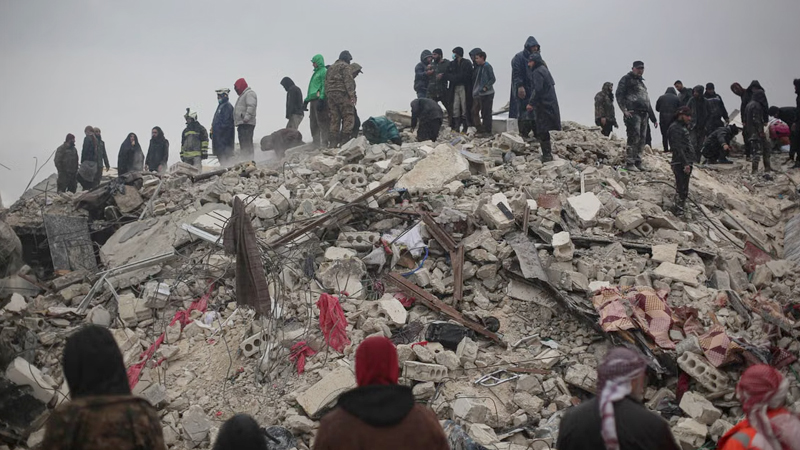
Int’l Desk: Recent earthquakes in Venezuela have inflicted multi-billion-dollar economic damages across affected regions, yet insured losses are projected to represent only a small fraction of the total toll, highlighting persistent gaps in catastrophe coverage and the challenges of risk transfer in emerging markets.
According to assessments from major brokers such as Aon, the insured portion of the losses from these seismic events, which have claimed hundreds of lives and displaced communities, is expected to remain limited despite the widespread destruction of infrastructure, homes, and businesses.
With a reported death toll reaching 589 and extensive impacts on buildings, utilities, and local economies, the disasters underscore the complexities of insurance penetration in Latin America, where economic exposure far outstrips the reach of formal risk financing mechanisms.
The quakes struck at a time when Venezuela was already navigating economic pressures, amplifying the human and financial consequences as survivors grapple with collapsed structures, disrupted services, and long-term recovery needs.
Economic damages are anticipated to climb into the billions, encompassing direct physical losses to property and infrastructure as well as indirect costs from business interruptions, supply chain disruptions, and humanitarian efforts.
In contrast, insured losses are forecast to account for merely a fraction of that figure because of relatively low insurance density in the country, particularly for residential and small commercial properties that often lack comprehensive earthquake coverage.
Many homeowners and businesses in vulnerable areas rely on informal arrangements or government aid rather than private policies, leaving a substantial protection gap that shifts much of the financial burden onto public resources and international assistance.
This disparity between total economic impact and insured recoveries is not unique to Venezuela but reflects broader patterns in disaster-prone regions with developing insurance markets.
Factors contributing to the limited insured share include affordability barriers, historical underinsurance, regulatory environments that influence product availability, and a cultural reliance on post-event government intervention rather than proactive risk transfer.
Reinsurers and global carriers active in Latin America have noted that while parametric insurance products and public-private partnerships are gaining traction in some neighboring countries to address such gaps, adoption in Venezuela has lagged, partly due to macroeconomic volatility and challenges in data collection for accurate modeling of seismic risks.
As a result, the events may prompt renewed discussions among policymakers and industry leaders about expanding coverage through innovative solutions like sovereign catastrophe bonds or microinsurance programs tailored to lower-income populations.
From a reinsurance perspective, the insured losses, though smaller in absolute terms, still provide insights into portfolio exposures and the effectiveness of existing treaties.
Major players monitoring the situation will analyze claims data to refine their underwriting for future renewals, potentially leading to adjustments in pricing or capacity for earthquake-prone territories.
For primary insurers with operations in the region, the incidents serve as a reminder of accumulation risks and the importance of robust loss estimation models that account for secondary perils such as aftershocks or infrastructure failures.
On the ground, recovery efforts are likely to blend insurance payouts where available with substantial government and donor funding, illustrating the layered approach often required in high-impact disasters where private markets alone cannot shoulder the full load.
The Venezuela earthquakes also carry wider implications for the global insurance industry, especially amid a year marked by other significant catastrophe events ranging from severe storms in the United States to geopolitical tensions affecting marine and energy sectors.
They reinforce the need for enhanced risk modeling that integrates climate change influences on seismic activity patterns, urbanization trends that heighten exposure in fault zones, and socioeconomic variables that determine insurance uptake.
Experts point out that while insured losses being a fraction of economic damages helps contain immediate pressure on reinsurance markets, the uninsured portion can lead to prolonged economic scarring, slower rebuilding, and increased sovereign debt burdens, all of which indirectly affect international investors and trade partners.
In response, there may be opportunities for capacity building initiatives, such as those supported by organizations like the World Bank, to promote greater resilience through better building codes, early warning systems, and education on risk mitigation.
As assessments continue and more precise loss figures emerge, the situation in Venezuela offers a case study in the evolving dynamics of disaster finance.
It highlights not only the protective value of insurance where it exists but also the critical work remaining to close protection gaps in vulnerable economies.
Stakeholders from reinsurers to local authorities will be watching closely to see how recovery unfolds, with potential lessons informing strategies for future events in similar contexts across Latin America and beyond.
Ultimately, bridging the divide between economic damages and insured recoveries could strengthen overall societal resilience, ensuring that when disasters strike, the path to restoration is both faster and more equitable for those most affected.
.jpg)