Lloyd’s and Arch Win Key Ruling in €580 Million Nord Stream Pipeline Case
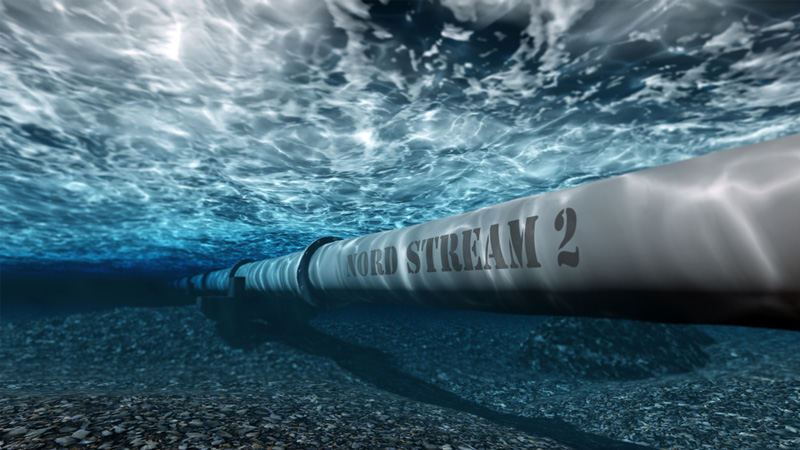
Mashrukh Khan: In a landmark decision that could ripple through the insurance world for years, a London court has sided decisively with insurers, rejecting a massive claim tied to the mysterious 2022 sabotage of the Nord Stream pipelines. On July 6, 2026, Dame Clare Moulder of the Commercial Court ruled that Lloyd’s Insurance Company and Arch Insurance (EU) did not have to pay out roughly €570 to 580 million—about $672 million—for damage to the Nord Stream 1 pipeline, determining that the explosions were a direct consequence of war stemming from Russia’s invasion of Ukraine.
The operator of the pipeline, Switzerland-based Nord Stream AG, had sought indemnity under offshore operating all-risks policies after the pipelines were ruptured in what became one of the most dramatic acts of infrastructure sabotage in recent European history. Back in September 2022, powerful underwater blasts severed the lines carrying Russian gas to Germany beneath the Baltic Sea, an event that sent shockwaves through energy markets and heightened geopolitical tensions across the continent. For Nord Stream AG, the financial hit was enormous, and they turned to their insurers hoping to recover the costs of repairs and lost infrastructure. But the court’s interpretation of the policy’s war exclusion clause shut that door firmly.
Dame Moulder’s judgment emphasized that the damage was “directly or indirectly occasioned by, happening through, or in consequence of war,” leaving no room for the carve-outs the claimants had argued for. As detailed in coverage by The Insurer and Claims Journal, the five-week trial that wrapped up in late May centered heavily on policy construction and the broader context of the Russia-Ukraine conflict. Insurers, represented by teams including those from Clyde & Co, successfully contended that the sabotage couldn’t be separated from the ongoing war, even amid lingering questions about exactly who orchestrated the blasts—suspicions that have pointed in various directions but remain unresolved in public forums.
This outcome marks a significant victory for the insurance sector, particularly in how it handles complex geopolitical risks. For years, underwriters have wrestled with the blurred lines between war, terrorism, and other perils in high-stakes energy projects, and this case serves as a stark reminder of how carefully worded exclusions can make or break massive claims. Analysts following the proceedings, as reported in Law360, noted that the ruling underscores the need for clearer policy language around conflict-related events, something that could influence future negotiations in marine, energy, and political risk insurance.
Nord Stream AG, advised by Herbert Smith Freehills, had pushed back vigorously, arguing the incidents might fall outside strict war definitions or qualify under certain exceptions. Yet the court wasn’t persuaded, highlighting the evidentiary and interpretive challenges when insurance collides with international affairs. The decision comes at a time when global tensions—from the Middle East to Eastern Europe—continue testing the limits of traditional coverage models. Reinsurers and carriers alike are already paying closer attention to how such rulings might affect their exposure in volatile regions, potentially leading to tighter terms or higher premiums for similar infrastructure projects.
Beyond the immediate financial stakes, the case touches on deeper issues of accountability and risk allocation in an interconnected world. The pipelines, once symbols of energy interdependence between Russia and Europe, now stand as reminders of how quickly infrastructure can become collateral in broader conflicts. For the insurance industry, which has faced mounting pressures from climate events, cyber threats, and now geopolitical sabotage, this verdict reinforces the boundaries of what policies are designed to cover. It may also prompt governments and energy companies to rethink their reliance on private insurance for such critical assets, perhaps turning more toward state-backed mechanisms or enhanced security measures.
As details of the judgment spread through legal and industry circles, experts suggest it could set a precedent for other disputes involving war exclusions, especially where attribution of attacks remains murky. Nord Stream AG has not yet indicated whether it will appeal, but the ruling’s clarity leaves little ambiguity for now. In the end, this chapter serves as a cautionary tale about the unpredictable intersection of politics, energy security, and the fine print of insurance contracts—one that stakeholders across the sector will be studying carefully in the months ahead.
.jpg)