Insurers Keep Charging Higher Premiums for Hormuz Routes Despite Peace Deal
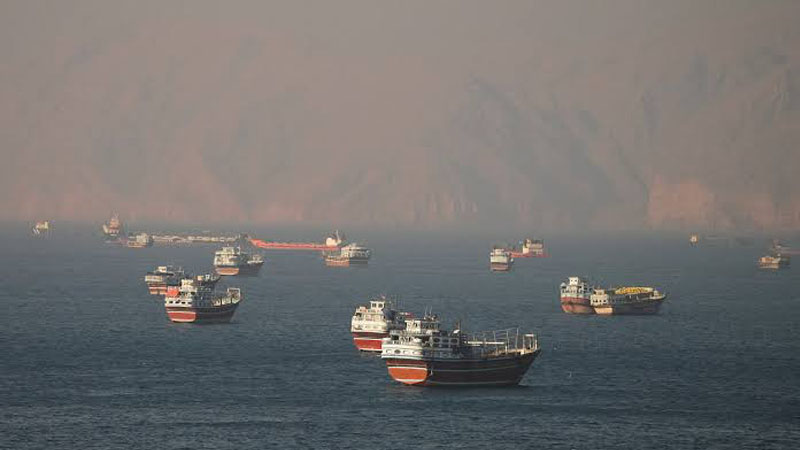
Mashrukh Khan: Shipping insurance premiums are holding steady at higher levels even as vessel traffic through the Strait of Hormuz shows signs of picking up again, reflecting the lingering worries that continue to unsettle global trade routes in the region. According to recent analysis from Coface, a leading provider of credit insurance and risk assessment services, insurers are likely to keep charging elevated rates for marine coverage because renewed tensions around this critical chokepoint have not fully eased the underlying threats to shipping.
Bernard Aw, who serves as Chief Economist for Asia Pacific at Coface, explained that even with some recovery in daily transits, from around twenty seven vessels a day in the immediate aftermath of disruptions back up to more than sixty by late June, the market is pricing in the possibility of future flare ups rather than just current conditions. Supply chain snarls created during the height of the hostilities have left a backlog that could take weeks or even months to clear, while port congestion is adding another layer of slowdown to the rebound in trade flows. This cautious outlook from Coface comes amid broader concerns highlighted in their latest Risk Review, which downgraded country risk ratings for eight markets including several in Southeast Asia.
The Strait of Hormuz remains a vital artery for global energy shipments, and any hint of renewed conflict quickly ripples through insurance markets that underwrite the massive risks involved in moving oil, liquefied natural gas, and other cargo through those waters. Aw pointed out that the latest developments, including a fourteen point memorandum of understanding between the United States and Iran, do not provide enough long term clarity on issues like sanctions and Iran’s nuclear program to reassure underwriters. As a result, businesses navigating these routes still face uncertainty about the geopolitical picture further down the road, which in turn keeps premiums from dropping back to pre tension levels.
This situation underscores how interconnected trade, geopolitics, and insurance have become in today’s volatile environment. Shippers and cargo owners operating in Asia Pacific and beyond are feeling the pinch through higher costs that get passed along the supply chain, potentially affecting everything from consumer goods prices to industrial operations. For marine insurers, the elevated premiums represent a necessary buffer against the kind of sudden disruptions that have become all too common in recent years, but they also highlight the challenges of balancing risk management with supporting smooth international commerce.

.jpg)