Luigi Mangione Case Highlights Deep Public Frustrations with Health Insurers
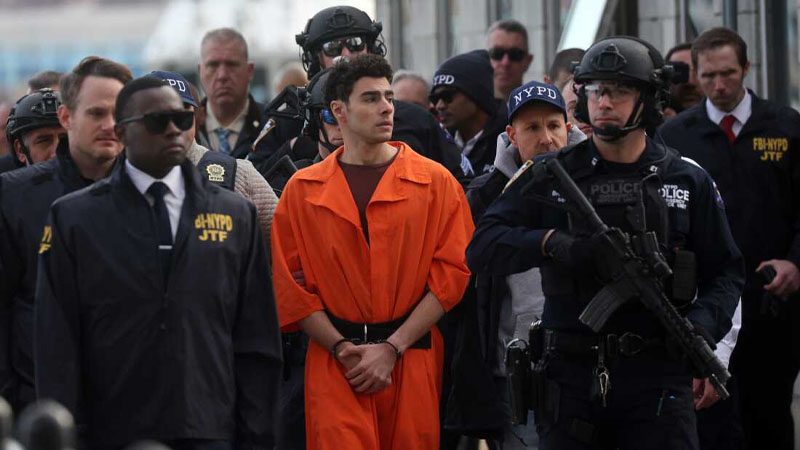
Mashrukh Khan: Luigi Mangione, the man charged with the fatal shooting of UnitedHealthcare executive Brian Thompson on a Manhattan sidewalk last year, has taken a notable step in his legal proceedings by withdrawing plans for now to present evidence of an extreme mental health crisis during the alleged attack. Court filings from mid-June 2026 indicate this decision could streamline the trial while keeping the door open for other defense strategies, but the case continues to cast a long shadow over the health insurance industry it thrust into the spotlight. Many observers see the killing as a flashpoint for deep public frustrations with insurance denials, claim delays, and corporate practices that some critics label as prioritizing profits over patient care.
The murder of Thompson, who served as chief executive of UnitedHealthcare, sparked widespread online commentary and protests highlighting grievances against the broader sector, including allegations of denied treatments that fuel anger among policyholders and medical providers. Insurers have faced intensified scrutiny in its wake, with some executives expressing concerns about rising threats to industry leaders and the potential chilling effect on decision-making around coverage policies. At the same time, the tragedy has amplified ongoing debates about mental health support, both for individuals navigating the system and for the executives operating within it, as the defense initially explored but later paused arguments tied to Mangione’s reported struggles.
From an insurance perspective, the case underscores vulnerabilities in how the public perceives health coverage providers amid high-stakes litigation elsewhere in the sector. Parallel battles, such as those involving Meta and other tech firms facing thousands of lawsuits over youth addiction to social media, have raised questions about whether insurers will ultimately foot the bill for corporate legal defenses, according to Reuters reporting on Delaware court proceedings. These developments highlight the complex web of liability coverage that companies rely on when confronted with reputational and financial risks stemming from public backlash or regulatory pressures.
Industry analysts note that while the Mangione trial itself may not directly alter underwriting practices, it has contributed to a climate of heightened awareness around executive safety and the need for stronger risk management protocols. Some carriers are reportedly reviewing their own internal policies and employee support programs in response to the heightened tensions.

.jpg)