Indian Insurance Regulator Alerts CEOs on Underpricing of Large Fire Risks
Int’l Desk: India’s insurance regulator has cautioned general insurers over aggressive underpricing in the fire insurance segment after receiving reports of discounts reaching as high as 99 percent on large industrial risks.
The Insurance Regulatory and Development Authority of India issued the warning in a communication sent to managing directors and chief executives on July 22, noting that such practices threaten the financial health of companies and undermine underwriting discipline.
According to details reported by The Economic Times, the authority has seen representations about very low rates being offered on certain large fire risks. These deep discounts from base or benchmark rates appear driven by intense competition, pressure to meet business targets, year-end considerations, and demands from clients and intermediaries.
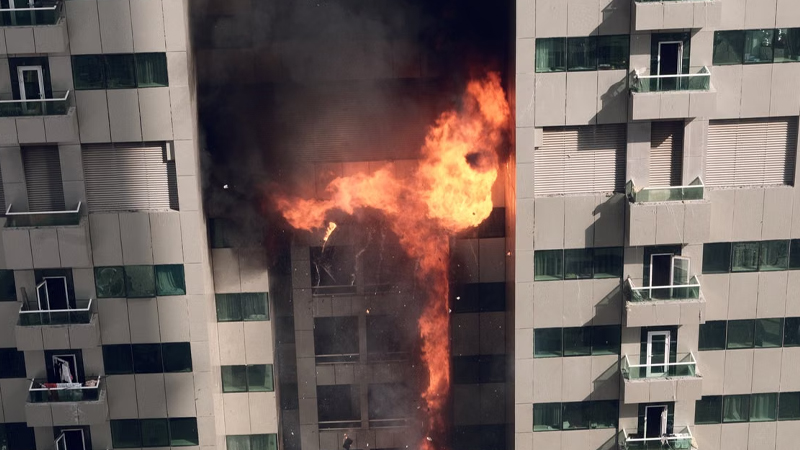
Fire insurance covers low-frequency but high-severity events where a single claim can easily exceed the total premium collected, making sound actuarial pricing essential.
The warning arrives after a sharp drop in premiums. Collections for fire insurance in the first quarter of the current financial year fell to ₹8,087 crore from ₹11,206 crore in the same period a year earlier.
This decline followed solid growth in the previous full year when premiums reached ₹27,432 crore, up from ₹24,188 crore. Public sector insurers had grown nearly 20 percent, while private players expanded about 10 percent before the recent slowdown set in.
Market observers link the price war to months of heightened competition for commercial accounts. Some insurers have also been extending steep reductions on related covers such as natural catastrophe protection.
Industry participants warn that unsustainable rates could eventually jeopardise claim settlements because payouts ultimately depend on the premiums gathered. One broker noted that the trend of underpricing is already affecting collections even among larger players and is unlikely to reverse without deliberate correction.
The regulator has stopped short of imposing new mandates but has made clear that pricing for industrial and commercial fire risks must rest on proper actuarial foundations rather than short-term volume goals.
Companies that continue chasing market share through extreme discounts risk both their own solvency and the broader credibility of the non-life sector. Whether the advisory prompts a meaningful shift in behaviour will become clearer as the second quarter unfolds and renewal seasons approach.

.jpg)